
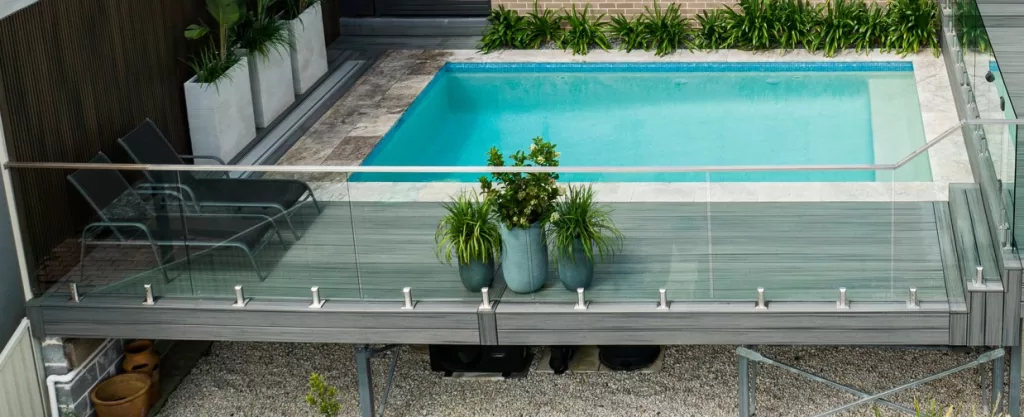
A deck can look beautifully finished underfoot and still feel incomplete at the edge. That is usually where deck balustrade installation makes the biggest difference – not just in how the space looks, but in how safe, comfortable and compliant it is for daily use. For Sydney homeowners, that matters even more when decks are exposed to coastal air, strong sun, heavy rain and regular entertaining.
A well-built balustrade does three jobs at once. It provides essential fall protection, it shapes the visual character of the deck, and it influences how open or enclosed the outdoor area feels. Get it right and the whole space feels considered. Get it wrong and even a premium deck can look pieced together.
Why deck balustrade installation matters more than most people expect
Many homeowners start by focusing on the deck boards, frame and stairs, then treat the balustrade as a finishing touch. In practice, it should be part of the planning from the start. The balustrade affects sightlines, access, privacy, maintenance and the overall cost of the build.
If your deck sits around a pool, overlooks a garden, or connects indoor living to an outdoor entertaining zone, the balustrade becomes a major design feature. It can keep views open, create definition between spaces, or add architectural weight to a simple deck. The right choice depends on the home, the height of the deck and how the area is used.
There is also the compliance side. Australian building requirements around balustrades are not something to leave to guesswork. Height, gaps, climbability and load performance all need to be considered properly. A balustrade that looks fine at a glance may still fall short if the detailing is wrong.
Choosing the right balustrade for your deck
The best deck balustrade installation is rarely about chasing a single trend. It is about choosing a system that suits the deck material, the house style and the level of upkeep you are happy to live with.
Timber balustrades
Timber suits classic homes, natural landscapes and decks where warmth is part of the appeal. It can be detailed in a traditional or more contemporary way depending on the profile and finish. For many Sydney homes, timber balustrades work especially well when paired with hardwood decking because the materials feel cohesive rather than forced.
The trade-off is maintenance. Even high-quality hardwood needs ongoing care if you want it to keep its appearance in harsh weather. Sun exposure, moisture and salt-laden air can all accelerate wear. Timber is still a premium option, but it is best for homeowners who value natural character and are prepared for periodic upkeep.
Aluminium balustrades
Aluminium is a popular choice for good reason. It is durable, relatively low maintenance and suits a wide range of home styles. Powder-coated finishes can be selected to match trim, window frames or architectural details, which helps the deck feel integrated with the rest of the property.
From a practical point of view, aluminium handles Sydney conditions well. It resists corrosion better than many alternatives and does not demand the same level of ongoing maintenance as timber. The main consideration is aesthetics – some homeowners love the clean lines, while others prefer a softer, more natural finish.
Glass balustrades
If the goal is an open outlook, glass is hard to beat. It keeps views across gardens, pools and coastal settings far more open than heavier framed systems. On elevated decks, that can make the entire outdoor area feel larger and more connected to the landscape.
That said, glass is not automatically the right answer for every project. It often comes at a higher cost, and while it is low maintenance structurally, it does need regular cleaning to stay looking sharp. Smudges, salt residue and water spotting show more quickly than they do on other materials. For homes where presentation matters and views are a major feature, the visual payoff is often worth it.
Composite-compatible designs
Where composite decking is used, the balustrade should complement that cleaner, more refined finish. Some systems are specifically designed to pair with composite boards and hidden fixing methods, creating a more consistent premium look. This can be especially effective in modern homes where the deck is intended to feel like an extension of the interior.
The advantage here is usually lower maintenance and a more streamlined appearance. The challenge is making sure the balustrade does not look too generic or lightweight beside a high-end deck. Material selection and detailing matter.
What a professional deck balustrade installation should include
A balustrade should never be treated as a simple bolt-on extra. Its performance depends on what sits beneath it, how it is fixed and how the forces are transferred through the structure.
The first step is assessing the deck itself. The age of the frame, the condition of the substructure and the layout of posts and joists all influence what is possible. On a new build, this can be planned properly from the beginning. On an existing deck, there may need to be structural upgrades before a new balustrade can be installed safely.
Measurements are then taken with care. Deck height, stair transitions, corners, returns and gate locations all affect the design. Small inaccuracies at this stage can create larger problems later, especially with glass panels or custom-fabricated components where tolerance matters.
Fixing methods are another area where quality shows. A premium balustrade is not just about the visible finish. The hardware, post anchoring, edge details and waterproofing all influence long-term durability. In exposed Sydney locations, these details can be the difference between a balustrade that still feels solid years later and one that starts loosening, staining or deteriorating early.
Design decisions that change the final result
A good balustrade meets code. A great one also improves the way the deck feels to use.
Post spacing, rail thickness and infill style all affect visual weight. A heavier profile may suit a substantial family home or a deck with traditional detailing. Slimmer posts and minimal rails tend to work better in contemporary settings where clean lines are the priority.
Privacy is another factor that is often overlooked. Not every deck needs full openness. In some suburban settings, a partially screened balustrade creates a more comfortable entertaining area and reduces exposure to neighbours. That can be a better choice than fully transparent glass, even if the latter looks more minimal on paper.
There is also the question of stairs and level changes. A balustrade should feel continuous, not patched together at transition points. This is where custom design makes a visible difference. The alignment of rails, landing treatments and stair handrails can either elevate the whole project or make it feel like separate parts were added at different times.
Common mistakes homeowners make
One of the biggest mistakes is choosing the cheapest visible option without considering long-term performance. A lower upfront cost can quickly lose appeal if the finish fades, the fittings corrode or the design dates the deck within a few years.
Another is selecting a style that fights the architecture of the home. A sleek frameless glass balustrade can look brilliant on a modern build, but it may feel out of place on a heritage-style home where timber detailing would sit more naturally. Premium results usually come from consistency, not contrast for its own sake.
DIY or poorly managed installation is another risk. Even if the materials are good, inaccurate set-out, weak fixings or non-compliant gaps can compromise safety and trigger expensive rework. Balustrades are one of those elements where precision matters from both a structural and visual standpoint.
Why local experience matters in Sydney
Sydney homes are not dealing with one single set of conditions. A deck near the coast faces different pressures from one in a leafy inland suburb, and a poolside entertaining deck has different functional needs from a front entry platform or upper-level terrace.
That is why local knowledge matters. Material selection should reflect exposure to salt, UV, moisture and general wear. So should the coating systems, hardware and maintenance recommendations. A balustrade that performs well in one environment may not be the smartest choice in another.
This is also where an experienced deck builder adds real value. Instead of just asking what style you like, they should be considering how the balustrade integrates with the deck structure, how it complements the home and how it will hold up over time. That is the difference between a quick install and a finished outdoor space that still feels premium years down the track.
For homeowners investing in a new deck or upgrading an older one, deck balustrade installation deserves the same level of attention as the deck boards themselves. It shapes safety, appearance and day-to-day enjoyment in equal measure. If you are planning an outdoor upgrade, it is worth treating the balustrade as part of the design from day one, not an afterthought once the build is nearly done.