
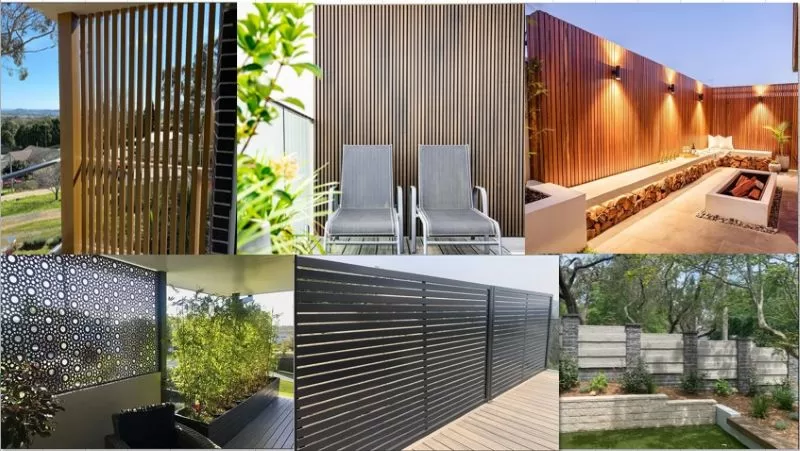
A deck can be beautifully built and still feel exposed. If your neighbour’s second storey looks straight onto the barbecue, or the afternoon sun turns one corner into a glare zone, privacy becomes more than a nice extra. The right deck privacy screen ideas can make the space feel calmer, more usable and far more polished without closing it in.
The best screen is not always the one that blocks the most. On Sydney properties, privacy needs to work alongside airflow, council considerations, material durability and the overall style of the home. A heavy solid wall might solve one problem but create another, especially if it traps heat or makes the deck feel smaller. That is why the strongest results usually come from a custom approach rather than a one-size-fits-all panel.
What good deck privacy screen ideas need to solve
Before choosing a look, it helps to be clear on what the screen actually needs to do. Some homeowners want to block direct sightlines from a neighbouring yard. Others want protection from wind, a little shade in the late afternoon, or a backdrop that makes the whole deck feel more finished.
That difference matters. A screen designed for visual privacy can be lighter and more open than one built to handle wind exposure. If your deck sits near a pool, you may also need to think about safety, moisture resistance and how the screen works with surrounding fencing. On elevated decks, structural fixing and compliance become especially important.
Material choice plays a major role too. Timber offers warmth and a custom look, while composite products can reduce upkeep and hold their finish well in harsh conditions. Neither is automatically better. It depends on your budget, the style of your home and how much maintenance you are prepared to take on over time.
Deck privacy screen ideas that look good and work hard
Horizontal timber battens
This is one of the most requested options for a reason. Horizontal battens create clean lines, suit modern homes and can be adjusted for the right balance of privacy and openness. Wider gaps allow airflow and filtered light, while tighter spacing gives stronger screening from nearby neighbours.
Hardwood battens bring natural character and can tie in beautifully with a timber deck, stairs or pergola. The trade-off is maintenance. To keep the timber looking sharp in Sydney’s sun and rain, staining or oiling will be part of the long-term picture. If you love the warmth of real timber, that upkeep is often worth it.
Vertical slat screens
Vertical slats tend to feel slightly more architectural and can help a space look taller. They work particularly well on narrow decks or where you want to soften the width of a long wall. They can also complement balustrades and entry features if you want the design to feel connected rather than added on later.
This style suits both timber and low-maintenance composite alternatives. If the home already has vertical cladding or simple contemporary detailing, vertical slats can look very intentional. The key is proportion. Slats that are too chunky can feel heavy, while slats that are too thin may not deliver enough privacy.
Decorative laser-cut panels
For homeowners who want privacy with more visual detail, decorative panels can create a strong feature. They are useful when the deck needs a focal point rather than just a barrier. Patterns can range from geometric to organic, and the right design can lift a fairly simple outdoor area into something more refined.
The catch is that decorative panels do not always give full privacy unless the pattern is fairly dense. They are often best used in selected sections, such as a seating nook, outdoor kitchen backdrop or side boundary that needs screening without feeling too enclosed. Material quality matters here. A premium powder-coated finish will generally hold up better outdoors than cheaper alternatives.
Louvre screens for adjustable privacy
If your needs change through the day, louvres are worth serious consideration. Adjustable blades let you control outlook, breeze and sunlight in a way fixed screens cannot. That can be ideal on western-facing decks where the late sun is harsh but you still want air movement.
Louvres are typically a more premium option, but they offer flexibility that justifies the cost on many projects. They also suit homes where privacy is needed at times, but a closed-in feeling is not desirable. For entertaining spaces, that adaptability can make the deck more comfortable across more months of the year.
Integrated planter screens
A built-in planter with an attached screen softens the structure and brings greenery into the design. This approach works well when you want privacy without making the deck feel too hard or boxed in. It can also help connect the deck to the garden, especially in suburban backyards where landscape and outdoor living spaces need to sit together naturally.
There are practical details to get right. Planters need proper drainage, enough soil volume and materials that can handle ongoing moisture. The plant selection matters too. Dense screening plants can work beautifully, but they will need trimming and care. If you want a cleaner, lower-maintenance outcome, use planting as a secondary feature and rely on the structure itself for the main privacy function.
Bench seating with a screen above
On smaller decks, combining functions is often the smartest move. A bench seat built into the perimeter with a privacy screen above can save space and make the layout feel intentional. It is a strong solution for entertaining areas where every square metre counts.
This option can also help define zones. A dining space might have a more open edge, while the lounge corner gets screening for comfort and separation. When designed well, the screen does not feel like an afterthought. It becomes part of the deck’s architecture.
Pergola and privacy screen combinations
Some of the best deck privacy screen ideas are not vertical only. When a deck feels exposed from above as well as from the side, a pergola paired with screens can create a much more complete outdoor room. This is particularly effective for elevated decks or properties with neighbouring windows looking down into the space.
The benefit here is not just privacy. You can improve shade, define the footprint of the entertaining area and create a more premium finish overall. The design needs to stay balanced though. Too much structure can make a smaller deck feel crowded, so spacing, light and sightlines should be considered early.
Choosing materials for Sydney conditions
A privacy screen has to do more than look good on handover day. In Sydney, strong UV, coastal air in some suburbs, heavy rain and everyday wear all test outdoor materials quickly. That is why material selection should be driven by performance as much as appearance.
Timber remains a favourite for its natural warmth and custom appeal. Species selection, finishing products and ongoing maintenance all affect how well it lasts. Composite screening elements or low-maintenance cladding products can be a smart alternative for busy households that want a crisp, consistent finish without regular staining.
Metal screens can also work well, especially in modern homes, but coating quality and fixing methods are critical. Cheap finishes often show their age far too early. A premium outdoor space deserves materials that hold up properly, not just in year one but across the long term.
When custom design makes the difference
Off-the-shelf screens can be useful for simple jobs, but many decks need more thought than a standard panel can offer. Uneven levels, boundary angles, pool zones, stair access and existing rooflines all affect what will work. A custom-built screen can be designed around those constraints so the result looks integrated rather than improvised.
That is also where detailing matters. Matching board widths, aligning screen lines with decking direction, coordinating colours with the home exterior and selecting the right height all contribute to a more premium finish. Homeowners often notice these details after the build is complete, but they are decided well before construction starts.
If privacy is a priority, it also pays to think about where you sit and stand on the deck, not just where the boundary sits. Screening a single problem angle may do more for comfort than enclosing the entire perimeter. Good design solves the issue without overbuilding.
Getting the balance right
The most successful privacy screens feel like part of the original deck design. They improve comfort, strengthen the look of the space and stand up to the weather without creating new problems. That usually means balancing privacy with light, airflow and maintenance rather than chasing total enclosure.
For Sydney homeowners investing in a better outdoor living area, the goal is not simply to hide the neighbours. It is to create a deck that feels relaxed, functional and finished every time you step outside. When the screen is designed with the home, the conditions and the way you actually live, it stops being an add-on and starts becoming one of the best parts of the whole space.