
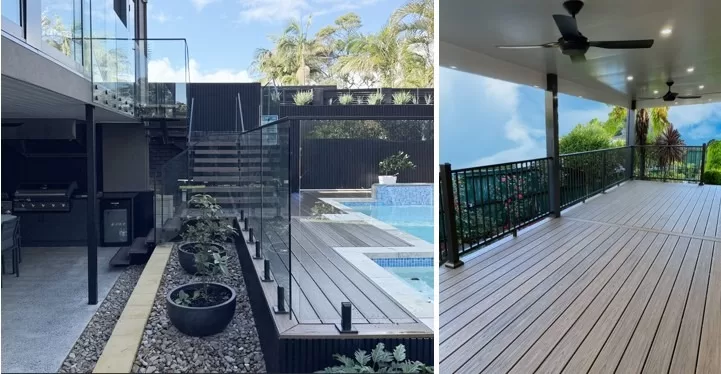
A balustrade can make or break the feel of an outdoor space. The deck might be beautifully built, the pergola might frame the area perfectly, but if the barrier looks heavy, dated or high-maintenance, the whole project can feel compromised. When homeowners weigh up glass vs aluminium balustrades, they are usually trying to balance three things at once – appearance, safety and long-term practicality.
For Sydney homes, that decision matters even more. Salt air, strong sun, driving rain and day-to-day family use all put outdoor materials to work. The right balustrade should look sharp on day one, still perform years later, and suit the way you actually use the space, whether that is entertaining on a raised deck, securing a pool area or finishing a front entry stair.
Glass vs aluminium balustrades: what changes in real life?
On paper, both options do the same job. They create a compliant safety barrier and define the edge of a deck, balcony, stair or pool zone. In practice, they create very different outcomes.
Glass balustrades are chosen for openness. They keep views clear, allow more light through and give outdoor spaces a cleaner, more premium look. On elevated decks, that can make the whole area feel larger. Around pools, glass keeps sightlines open so the space feels less boxed in.
Aluminium balustrades are chosen for durability, value and ease. They suit a wide range of homes, from modern builds to more traditional renovations, and they offer a strong, low-fuss solution that handles tough conditions well. If you want a balustrade that looks neat, performs reliably and asks very little of you over time, aluminium has obvious appeal.
Neither is automatically better. It depends on the design goal, the exposure of the site, the budget and how much maintenance you are happy to take on.
When glass balustrades are the better fit
Glass is hard to beat when the view is part of the reason for building the deck in the first place. If your home overlooks bushland, water, a landscaped garden or a pool, solid or framed barriers can interrupt the best feature of the property. Glass allows the eye to move straight through, which helps outdoor areas feel more open and connected.
That visual lightness also works well on smaller blocks. In many Sydney suburbs, outdoor areas are compact, and every design choice affects how spacious the space feels. A glass balustrade can reduce visual clutter and create a cleaner edge line, especially when paired with timber or composite decking in a premium finish.
There is also a strong architectural argument for glass. On contemporary homes, it often gives the crispest result. It complements modern decking, minimalist pergolas and streamlined stair details without adding too much visual weight.
The trade-off is maintenance. Glass does not rust, but it does show marks. Rain spots, salt residue, fingerprints and pool splash are more noticeable, particularly in full sun. If you like a spotless finish, you will need to clean it regularly. For some homeowners that is a small price to pay for the look. For others, it becomes an ongoing annoyance.
Cost is another factor. Glass balustrades generally come in higher than aluminium, especially when you move into frameless or semi-frameless systems with premium hardware. The result can be excellent, but it needs to fit the project budget from the start rather than being treated as a last-minute upgrade.
When aluminium balustrades make more sense
Aluminium is often the practical winner for busy households. It is strong, lightweight, corrosion-resistant when properly finished, and generally easier to live with day to day. Powder-coated aluminium in particular performs well in Australian conditions and offers a clean, consistent appearance with very little upkeep.
For families, aluminium can be a smart choice where the balustrade needs to handle constant use without showing every mark. It does not need the same cleaning routine as glass, and minor dust or weather residue tends to be far less obvious. That matters on exposed decks or homes near the coast, where salt and wind can quickly leave surfaces looking tired.
Aluminium is also versatile in style. While some people still picture older, basic railing profiles, modern aluminium systems are much more refined. Slim vertical balusters, square-line frames and carefully selected powder-coat colours can look sharp on both contemporary and classic homes.
Budget is where aluminium often gains ground. If the project includes a large deck perimeter, multiple stair sections or a pool enclosure, costs can climb quickly. Aluminium usually gives more coverage for the same spend, which may allow room in the budget for better decking materials, lighting or screening elsewhere in the project.
The compromise is visibility. Even streamlined aluminium sections create more visual interruption than glass. If preserving the view is your top priority, that difference will matter.
Cost, upkeep and lifespan
Homeowners often ask which option is cheaper, but the better question is which one gives the best value over time.
Aluminium usually has the lower upfront cost. Installation is often more straightforward, and the material itself is typically more affordable than toughened glass systems. For larger projects, that gap can be significant.
Glass usually costs more upfront, but many people see the visual return as worth it. If a clear balustrade transforms the way a deck feels and improves the appeal of the home, that extra investment can be justified.
In terms of upkeep, aluminium is generally easier. A wash-down every so often and occasional checks of fixings are often enough. Glass needs more frequent cleaning to maintain its best appearance, especially near pools, in coastal areas or where kids and pets are constantly leaning on it.
Both materials can last well when they are properly specified and installed. The key is not just the panel or frame itself, but the full system – fixings, finishes, drainage, structural support and compliance with Australian standards. A poorly designed balustrade in either material will show its weaknesses quickly.
Safety, compliance and site conditions
Balustrades are not just a design feature. They are safety structures, and that means compliance matters.
Whether you choose glass or aluminium, the system needs to suit the height, location and use of the area. Deck edges, stairs, balconies and pool surrounds each have specific requirements. The details matter, from climbability and spacing to handrail integration and fixing methods.
This is where site conditions can shape the best choice. On a highly exposed coastal property, material selection and finish quality become critical. On a raised entertaining deck with a standout outlook, visual openness may carry more weight. Around pools, homeowners often prefer glass for visibility, but aluminium may still be the better fit where reduced cleaning is a higher priority.
A good balustrade decision is never made in isolation. It should work with the deck structure, stair layout, surrounding screens, pergola posts and the overall style of the home.
Which suits timber and composite decking best?
This is where the decision becomes more design-driven.
Glass pairs exceptionally well with premium timber and composite decking because it lets the deck surface remain the hero. If you have invested in a beautiful hardwood board or a high-end composite with a realistic grain and rich colour, glass keeps attention on that finish rather than competing with it.
Aluminium, on the other hand, can create more definition. It adds linework and structure, which can suit homes that need a stronger architectural edge. Dark powder-coated aluminium often works particularly well with lighter composite boards, while softer colours can complement natural timber tones without feeling too stark.
For many Sydney projects, the best choice comes down to the overall brief. If the goal is openness, light and a premium resort-style finish, glass often leads. If the goal is a durable, tidy and cost-conscious solution that still looks polished, aluminium is hard to fault.
So, which one should you choose?
If your outdoor area has a view, a pool or a modern design language, glass is often the standout. It feels premium, maximises openness and can make the whole space look more expansive.
If you want durability, lower maintenance and strong value, aluminium is usually the more practical option. It still looks refined when designed properly, and it suits a broad range of homes and budgets.
The smartest choice is the one that matches the way you live, not just the photo you liked online. A well-designed balustrade should suit the architecture, hold up in Sydney conditions and make your outdoor space easier to enjoy. If you are weighing up options for a new deck or upgrade, getting advice based on your site, your layout and your priorities will save you from choosing on looks alone. UrbanArch Building helps homeowners work through those details so the finished space feels right long after the build is done.
A balustrade is there every day, in every season, from family barbecues to quiet mornings outside – so it is worth choosing the one you will still be happy to look at in five or ten years.