
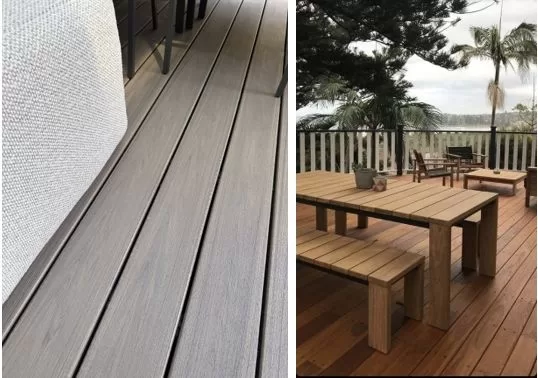
A deck in Sydney has to do more than look good on handover day. It needs to handle harsh sun, heavy rain, weekend entertaining, wet feet from the pool and everyday family use without becoming a constant maintenance job. That is why timber vs composite decking Australia homeowners compare is not just a style decision. It is a long-term choice about upkeep, comfort, durability and how you want to use your outdoor space.
For some homes, nothing beats the natural character of real timber. For others, composite makes far more sense because it cuts ongoing maintenance and keeps its finish with less effort. The right answer depends on your budget, the look you want and how much time you are willing to spend caring for the deck after it is built.
Timber vs composite decking in Australia: what really changes?
At a glance, both materials can create a premium outdoor area. Both can be used for family decks, pool surrounds, entertaining zones and elevated structures. The difference shows up over time.
Timber is a natural product, which is exactly why many homeowners love it. It has warmth, grain variation and an authentic appearance that suits everything from classic homes to high-end contemporary builds. Species selection matters, and so does installation quality. A well-built hardwood deck can look exceptional, but it does ask more from you in the years ahead.
Composite decking is made from a blend of recycled wood fibres and plastics, often with a protective outer shell depending on the brand. It is designed to give a consistent finish and reduce the sanding, staining and oiling that timber typically requires. Premium boards can look remarkably refined now, especially in homes where a clean, modern finish is the goal.
So when clients ask which one is better, the honest answer is that better depends on priorities. Timber often wins on natural appearance. Composite often wins on convenience.
Appearance and feel underfoot
If you are chasing a deck with rich natural variation, timber still has a strong edge. No two boards are exactly alike, and that organic character can lift the whole backyard. In period homes, coastal settings and landscaped gardens, timber often feels immediately at home.
Composite is more controlled in appearance. The colour is more consistent, the board profile is more uniform and the overall result can feel sleek and architectural. That works particularly well in newer homes, rooftop terraces and outdoor spaces designed to feel polished and low fuss.
Underfoot, there is also a difference. Timber has a traditional feel that many people know and like. Composite can vary by brand and board type, but some products stay cooler than others and some have a slightly firmer feel. This matters around pools and western-facing decks where full sun can be intense. Product choice and colour selection both play a part here.
Maintenance is where the gap gets real
This is usually the turning point in the timber vs composite decking Australia conversation.
Timber needs regular care if you want it to keep looking its best. That generally means cleaning, oiling or staining at intervals, plus keeping an eye on weathering, movement and surface wear. In Sydney conditions, exposure makes a big difference. A covered deck will age differently from one that takes full afternoon sun and rain.
Some homeowners do not mind this at all. They enjoy the routine and appreciate the way timber can be refreshed. Others start with good intentions, then realise a few years in that deck maintenance keeps slipping down the list.
Composite appeals to busy households because upkeep is far lighter. It still needs cleaning, especially with leaves, dirt and spills, but it does not usually require sanding, sealing or oiling. That makes it attractive for families, investment-minded homeowners and anyone who wants the deck to stay presentable with less work.
If low maintenance is high on your list, composite usually makes the stronger case.
Durability in Sydney weather
Australian conditions are tough on outdoor materials. UV exposure, storms, moisture, salt air in some suburbs and temperature swings all take their toll.
Hardwood timber can perform very well, especially when the right species is chosen and the structure is built properly. But because it is natural, it will respond to moisture and heat. That can mean expansion, contraction, minor checking, fading and the need for ongoing surface protection.
Composite decking is engineered with weather resistance in mind. Premium products are built to resist rot, splintering and insect damage, and many hold colour better than timber over time. That does not mean every composite board performs the same. Lower-grade products can fade, stain or feel less convincing visually, which is why brand and installation matter.
For exposed locations, pool areas and homes where the owners want predictable long-term performance, composite often provides more peace of mind. For those willing to maintain it properly, timber can still be an excellent long-term material.
Upfront cost versus lifetime value
There is no useful material comparison without talking about money properly.
Timber can sometimes look more affordable at the start, depending on the species selected. But the purchase price of the boards is only part of the story. Ongoing oiling, staining, cleaning products and periodic restoration all add to the total cost over the life of the deck. If boards become badly worn or neglected, repairs can also be more involved.
Composite often comes with a higher upfront material cost, particularly when you choose premium brands. That can make some homeowners hesitate initially. Yet when you factor in lower maintenance and fewer ongoing treatments, the long-term value can stack up well.
This is why the cheapest quote is rarely the best guide. A smarter approach is to consider how long you plan to stay in the home, how much maintenance you will realistically do and what level of finish you expect the deck to hold over time.
Which material suits your home?
Timber tends to suit homeowners who value natural beauty, want a deck that feels warm and authentic and are comfortable with regular upkeep. It is often a strong choice for character homes, garden-focused backyards and projects where the material itself is part of the visual feature.
Composite tends to suit homeowners who want a refined look with less maintenance, especially for busy family homes, entertainer’s decks and premium renovations where convenience matters as much as appearance. It is also popular around pools and in homes where a consistent finish is preferred.
There are also cases where it depends on the design. A shaded courtyard deck may behave very differently from a large exposed entertaining platform. Stairs, handrails, privacy screens and subframe detailing all influence the final result. The material should not be chosen in isolation from the overall build.
Timber vs composite decking Australia homeowners should ask before building
The best material choice usually becomes clearer when you ask a few practical questions. Do you enjoy maintaining timber, or would you rather avoid it? Is the deck fully exposed to the weather? Are you aiming for a natural look or a cleaner architectural finish? Is your budget focused on upfront spend, or whole-of-life value?
It is also worth thinking about how the deck will connect with the rest of the outdoor area. Pergolas, balustrades, screening, stairs and built-in seating can all influence which material feels most cohesive. A great deck is not just about the boards. It is about how the whole space works together.
That is where expert guidance makes a difference. An experienced deck builder can explain what suits your site, your home and your expectations, rather than pushing one material for every project. At UrbanArch Building, that means looking at design, structure, compliance and material performance as one complete outcome.
The right choice is the one you will still be happy with in five years
Homeowners often get stuck comparing samples in perfect showroom lighting, but real life is messier than that. Kids drag chairs, leaves build up, storms roll through and maintenance weekends do not always happen. The best deck material is not just the one that looks good today. It is the one that still suits your lifestyle once the novelty wears off.
If you love the natural charm of hardwood and are prepared to care for it, timber can be a beautiful investment. If you want a polished outdoor space that asks less of you year after year, composite is hard to ignore. Either can deliver a premium result when the design is right and the build is done properly.
Choose the material that fits the way you actually live, and your deck will feel like part of the home rather than another job on the weekend list. Check out our Deck Cost Calcutor for an estimate of what your new deck could cost.