
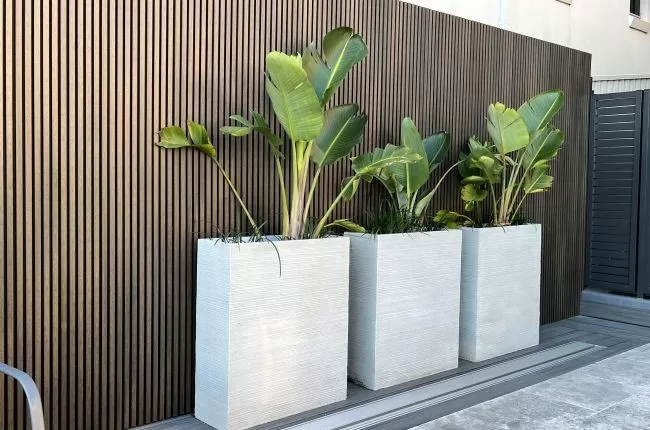
A privacy screen usually gets attention after the neighbours can suddenly see straight into the deck, the pool area feels too exposed, or the afternoon sun turns one corner of the yard into a glare box. That is why choosing the top outdoor privacy screen materials matters early. The right material does more than block sightlines. It shapes the look of the space, affects maintenance, and determines how well the screen will cope with Sydney’s heat, rain, salt air and UV.
For most homeowners, the best choice is not just about appearance. It is about balancing privacy, airflow, durability and the amount of upkeep you are willing to live with year after year. A screen that looks excellent on day one but warps, fades or needs constant re-coating can become an expensive frustration.
What makes a good outdoor privacy screen material?
A quality screen material needs to handle exposure without losing its shape or finish too quickly. In Sydney, that means thinking about harsh sun, heavy rain, humidity and, in some suburbs, coastal conditions that are especially tough on lower-grade products.
It also needs to suit the way you use the space. Around a deck or entertaining area, many homeowners want privacy without making the area feel closed in. Near a boundary, the goal may be stronger screening and a cleaner visual barrier. Around a pool, moisture resistance and low maintenance usually move higher up the priority list.
This is where material selection matters. Two screens can look similar when first installed, but their long-term performance can be very different.
Top outdoor privacy screen materials for Sydney homes
Timber
Timber remains one of the most popular privacy screen options because it brings warmth and architectural character that manufactured materials often struggle to match. In a well-designed outdoor space, timber screens can soften hard lines, tie in with decking, and create a premium finish that feels custom rather than off-the-shelf.
Hardwoods are generally the stronger choice for durability and longevity. They perform well structurally and can be stained or oiled to suit the broader outdoor palette. For homeowners who value natural texture and want a refined result, timber is often hard to beat visually.
The trade-off is maintenance. Even high-quality timber needs ongoing care to protect its appearance and extend its life. Without regular oiling, staining or sealing, the surface can weather, grey off, or develop uneven wear. That is not necessarily a problem if you like a more natural aged look, but it is worth deciding upfront whether you want low maintenance or authentic natural material. Those two goals do not always line up.
Composite screening
Composite has become a leading choice for homeowners who want a cleaner maintenance profile without giving up a premium appearance. It is especially appealing when the screen is being built alongside a composite deck, creating a more integrated and consistent outdoor design.
Good composite products are designed to resist rot, splintering and many of the issues that affect traditional timber in exposed environments. They also tend to hold their finish more consistently, which is a major advantage if you want the area to stay neat with less ongoing work.
That said, not all composite products perform equally. Quality matters, and so does installation. A well-made composite screen with the right framing and spacing can deliver excellent longevity and a sophisticated result. Lower-grade systems can look flat or feel less substantial. For that reason, composite works best when it is selected as part of an overall build strategy rather than a quick visual substitute for timber.
Aluminium
Aluminium is one of the most practical materials for outdoor privacy screens, particularly in modern homes or commercial settings where sharp lines and low upkeep are priorities. Powder-coated aluminium screens are lightweight, resistant to corrosion, and well suited to wet areas, pool zones and coastal conditions.
From a performance point of view, aluminium is hard to fault. It does not rot, it is not vulnerable to termites, and it generally asks very little of the owner in terms of maintenance. A simple wash-down is often enough to keep it looking presentable.
The main consideration is aesthetic feel. Aluminium can look sleek and architectural, but it does not offer the same natural warmth as timber. For some homes, that is exactly the right fit. For others, especially where there is already a lot of natural timber or softer landscaping, it can feel slightly more rigid unless the design is handled carefully.
Steel
Steel is less common in residential privacy screens, but it has a place where strength, security and a more industrial design style are part of the brief. In certain architectural homes, steel screens can make a strong visual statement and work well with masonry, concrete and darker exterior finishes.
Its downside is that it needs proper treatment and finishing to resist corrosion over time. In exposed outdoor environments, especially close to the coast, that becomes a serious consideration. Steel can absolutely perform well, but it is less forgiving than aluminium if specification and maintenance are not right.
For most suburban outdoor living areas, steel is not the first recommendation unless the design specifically calls for it.
PVC and vinyl
PVC or vinyl screens are often chosen for budget reasons and because they are relatively low maintenance. They can provide privacy quickly and are commonly used in simpler garden or boundary applications.
Where they tend to fall short is in premium outdoor settings. Compared with timber, composite or aluminium, they usually offer a less refined finish. Over time, lower-quality products may become brittle, discolour, or look tired more quickly under strong sun.
For a temporary upgrade or a more budget-conscious project, they may suit. For a high-end deck, pool area or entertaining zone where visual quality matters, they are usually not the strongest long-term option.
How to choose the right material for your space
The best screen material depends on where it will sit and what problem it needs to solve. A boundary screen may need more solid coverage, while a screen beside a deck might need to balance privacy with breezes and light. If the area gets strong western sun, material stability and finish retention become more important. If it sits near a pool, moisture resistance and easier cleaning tend to matter more.
Style should also be considered alongside maintenance. Homeowners often start by saying they love timber, then realise they do not want the upkeep that comes with it. Others are drawn to composite or aluminium for convenience, but want a design that still feels warm and tailored. This is where custom spacing, batten profiles, colours and framing details make a real difference.
Budget matters too, but it helps to look beyond the upfront number. A lower-cost material that needs replacement or repeated maintenance can end up costing more over time than a better product installed properly from the start.
Design matters as much as the material
Even the top outdoor privacy screen materials can underperform if the design is wrong. Screens need to be proportioned properly, fixed correctly, and integrated with the rest of the structure. That includes things like batten spacing, ventilation, drainage, wind loads and how the screen connects with decks, pergolas, stairs or balustrades.
A screen should also feel like part of the home, not an afterthought. When it is designed as part of the broader outdoor area, it can improve privacy while also adding depth, shade and a stronger sense of enclosure. That often makes the space feel more usable, not smaller.
This is especially true in Sydney backyards where outdoor living is a major part of the lifestyle. A well-built screen can turn an exposed deck into a private entertaining area, make a pool zone feel more polished, or soften awkward boundaries without compromising the overall design.
Which material is best overall?
There is no single answer for every home, but there are clear front-runners depending on your priorities. Timber is still the standout for natural beauty and a custom high-end look. Composite is an excellent option for homeowners who want a premium finish with less maintenance. Aluminium is one of the smartest choices for durability, clean lines and strong all-weather performance.
For many projects, the best outcome comes from matching the material to the lifestyle of the homeowner rather than chasing a trend. A beautiful screen is only a good investment if it suits the way you actually live. That means being honest about upkeep, exposure, budget and the finish you want the space to hold over time.
If you are planning a new deck, pergola or outdoor upgrade, privacy screening should not be treated as a last-minute add-on. When it is considered early, the material and design can work together to create an outdoor area that feels more comfortable, more cohesive and far more valuable in everyday use. A good screen gives you privacy. The right one makes the whole space feel finished.