
A deck can look brilliant on day one and still be the wrong choice five summers later. That is usually the real question behind what is the best deck material – not just what looks good in a brochure, but what will handle Sydney heat, rain, pool splash, family traffic and the level of maintenance you are actually willing to keep up with.
For most homeowners, the best deck material is the one that balances appearance, durability, upkeep and budget for the way the space will be used. There is no single answer for every property. A poolside entertaining area has different demands from a front entry platform, and a compact courtyard in the Inner West will not perform the same way as a large exposed deck near the coast.
What is the best deck material for Sydney homes?
In Sydney, the decision usually comes down to two broad categories – natural timber and composite decking. Both can create a premium outdoor space when they are chosen well and installed properly. The difference is in how they age, what they need from you over time, and the style of finish you want your home to carry.
Timber appeals to homeowners who want natural warmth, character and the kind of grain variation that only real wood can provide. Composite suits those who want a cleaner, lower-maintenance option with strong resistance to weathering, fading and day-to-day wear. The right answer depends on which trade-offs matter more to you.
Timber decking: natural character with ongoing upkeep
Timber remains a strong choice for high-end outdoor spaces because it brings a warmth that is difficult to replicate. Premium hardwoods have depth, texture and variation that can make a deck feel integrated with a garden, a heritage home or a contemporary outdoor room. If you love natural materials, timber often feels more authentic underfoot and visually richer across a larger area.
It also offers design flexibility. Different timber species can create different tones, from lighter finishes through to deeper, more dramatic boards. For homeowners focused on appearance first, timber can be the standout option.
The trade-off is maintenance. In Australian conditions, timber needs regular oiling or staining to retain its colour and protect the surface. Without that upkeep, boards can weather, fade and become more vulnerable to movement or surface deterioration. This does not mean timber is a poor performer. It means timber rewards owners who are happy to maintain it properly.
There is also a comfort factor to consider. Some timber species stay cooler underfoot than darker, denser synthetic products, which can matter around pools and family entertaining zones. That said, performance varies by species, board colour and sun exposure.
Composite decking: low maintenance and consistent performance
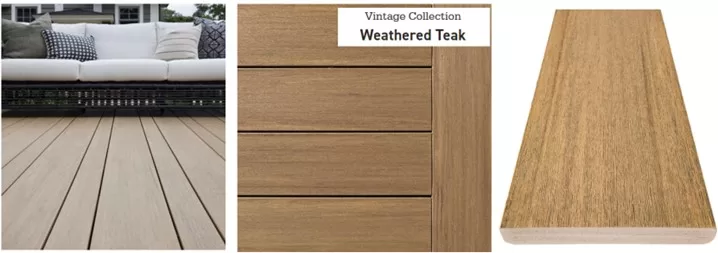
Composite decking has become increasingly popular for good reason. It is designed for homeowners who want a polished look without the recurring cycle of sanding, oiling and staining. High-quality composite boards are made to resist moisture, fading, staining and insect damage far better than many traditional decking materials.
For busy households, that convenience matters. If your ideal weekend involves using the deck rather than maintaining it, composite is often the smarter long-term fit. A quick clean is usually enough to keep it looking presentable, and premium products hold their finish with far more consistency than natural timber.
Composite also delivers a more uniform appearance. Some homeowners see that as a major advantage, especially on modern homes where clean lines and consistency are part of the design brief. Others feel it lacks the natural variation and softness of real wood. Neither view is wrong. It comes down to whether you want the deck to read as natural and organic or refined and controlled.
Not all composite is equal, though. Entry-level boards can be more prone to expansion, surface wear or a less convincing timber look. Premium options from established manufacturers generally perform better in harsh weather and offer stronger warranties, better surface technology and a more realistic finish.
What is the best deck material if you want the lowest maintenance?
If low maintenance is the priority, composite is usually the best deck material. That is especially true for homeowners who travel often, manage an investment property, or simply do not want the ongoing task of preserving timber.
Low maintenance does not mean no maintenance. Composite still needs cleaning, good subframe design and proper installation to allow drainage and ventilation. But in practical terms, it asks much less of the owner over the life of the deck.
Timber, by contrast, asks for commitment. Many clients love the look of hardwood, then later realise they do not love the maintenance schedule that comes with it. Being honest about that at the start saves disappointment later.
Which material lasts longer?
Longevity depends on more than the board itself. The structure beneath the deck, drainage, fixings, ventilation and build quality all affect lifespan. A premium product installed poorly will not outperform a better-built deck using a more modest material.
That said, quality composite often delivers excellent long-term durability because it is engineered to cope with moisture, UV exposure and surface wear. It is particularly appealing in exposed areas or around pools where repeated wetting and drying can punish natural materials.
Timber can also last for many years when the right species is selected and maintained properly. Hardwood decking is tough and proven, but it is less forgiving if maintenance is ignored. Once moisture gets the upper hand or surface protection lapses, the board can begin to age unevenly.
Budget matters, but so does whole-of-life cost
Initial cost and long-term cost are not always the same thing. Timber can sometimes look more attractive upfront, depending on species and finish. Composite may carry a higher supply cost, especially in premium ranges. But the comparison changes when you factor in maintenance products, labour, refinishing and time over the years.
For some homeowners, spending more initially on composite makes sense because it reduces future upkeep and keeps the deck looking sharper with less effort. For others, the visual value of real timber is worth the ongoing maintenance investment.
The better question is not just what the deck costs to build. It is what it will cost you to keep it looking the way you expect.
Matching the material to how you live
The best deck material should suit the way the space will actually be used. If you have young children, frequent barbecues, a pool, pets or heavy foot traffic, durability and easy cleaning become more important. If the deck is a feature zone viewed from inside the house every day, aesthetics may lead the decision.
A family entertaining area often benefits from the predictability of composite. A high-end architectural garden deck may call for the natural beauty of hardwood. A shaded alfresco area may perform differently from a west-facing platform that cops intense afternoon sun.
This is where professional guidance makes a real difference. Material selection should not happen in isolation from layout, board direction, subframe design, stairs, balustrades and surrounding structures. The best result comes from looking at the whole outdoor space, not just the board sample.
Common mistakes when choosing deck materials
One of the biggest mistakes is choosing on appearance alone. A small sample board can be misleading once it is laid across a full area in direct sunlight. Another is underestimating maintenance. Plenty of homeowners choose timber for the look, then wish they had gone with composite once the upkeep becomes repetitive.
There is also the issue of product quality. Cheaper boards can end up costing more if they stain easily, move excessively or fail to age well. In decking, installation quality and material quality tend to show themselves over time.
For Sydney properties, it also pays to think about local conditions. Coastal air, harsh UV, leaf litter, drainage and sloping sites all affect performance. The material that works beautifully in one backyard may not be the best fit in another.
So, what is the best deck material?
If you want the most natural, high-end appearance and you are prepared for ongoing care, timber is hard to beat. If you want durability, consistency and easier maintenance, premium composite is often the better all-round choice.
For many Sydney homeowners, the best deck material is premium composite because it suits modern outdoor living so well. It looks refined, performs strongly in tough conditions and keeps maintenance manageable. But that does not make timber second best. A well-designed hardwood deck still delivers a level of warmth and character that many homeowners genuinely prefer.
At UrbanArch Building, this is why material selection starts with how you live, how much maintenance you want to do, and how you want the finished space to feel. The right deck should not just fit your budget. It should fit your home, your routine and the way you want to use your outdoor area for years to come.
If you are weighing up timber against composite, the smartest next step is to compare them in the context of your actual site. Once you see the materials against your home, in your light, and with your lifestyle in mind, the right choice usually becomes much clearer.