
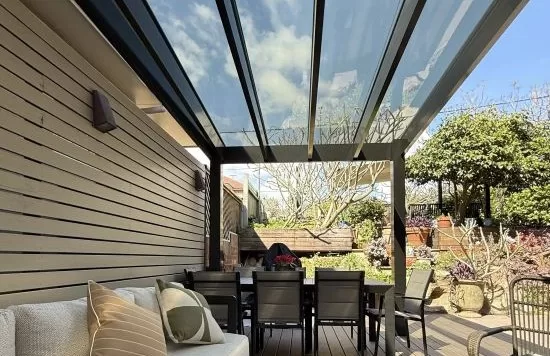
By 2 pm in a Sydney summer, an uncovered deck can go from inviting to unusable. The timber is hot underfoot, the glare is harsh, and the space you built for relaxing or entertaining sits empty. If you’re wondering how to add shade to a deck, the right answer is rarely a one-size-fits-all product. It comes down to how you use the space, how much sun hits it, and whether you want a quick upgrade or a long-term architectural solution.
Good shade does more than block sunlight. It extends the hours you can comfortably use your deck, helps protect decking materials from constant exposure, and can improve privacy and street appeal at the same time. For many homeowners, it is the step that turns a deck from a nice feature into a true outdoor living area.
How to add shade to a deck without compromising the design
The biggest mistake homeowners make is treating shade as an afterthought. A large umbrella might solve the immediate problem, but it can look temporary against a well-built deck. On the other hand, a fixed roof may provide full protection, but it can darken adjoining interiors if it is too heavy for the setting.
The best shade option should feel integrated with the home and the deck itself. That means considering rooflines, materials, airflow, drainage, council requirements, and how the structure will age in Sydney conditions. Salt air, UV exposure, high summer heat and heavy rain all matter here.
In practical terms, most shade solutions fall into three categories: flexible coverage, partial architectural shade, and full overhead protection. Each has its place.
Umbrellas and cantilever umbrellas
If you want the fastest and lowest-commitment way to add shade, an outdoor umbrella is often the starting point. For smaller decks or compact entertaining zones, a quality cantilever umbrella can work well because the pole sits off to the side rather than through the middle of the space.
This option suits homeowners who want flexibility. You can adjust the angle as the sun moves, close it when not in use, and avoid major building work. It is also useful when you are testing how much shade you actually need before committing to a permanent structure.
The trade-off is durability and coverage. Umbrellas do not offer the same wind performance as a built structure, and they rarely shade the full deck consistently throughout the day. On larger decks, they can also look undersized unless carefully selected.
Shade sails
Shade sails are popular in Australia for good reason. They can provide generous coverage, they look light and modern, and they allow hot air to move through rather than trapping it underneath. In a sunny backyard, that airflow can make a real difference.
A well-designed sail can work particularly well over open entertainment decks or poolside areas where you want sun relief without building a heavier roof structure. The key word is well-designed. Poorly positioned sails can collect water, flap in the wind, or create awkward sightlines from inside the house.
Attachment points are also critical. A sail is only as good as its supports. Fixing into weak posts or existing elements not designed for tension loads can create problems over time. If you are considering a sail, it is worth treating it as a structural feature rather than a fabric accessory.
Pergolas for style, structure and long-term value
For many Sydney homes, a pergola is the most balanced answer to how to add shade to a deck. It gives the space a defined form, creates a more finished outdoor room, and can be tailored to suit both classic and contemporary homes.
An open-roof pergola offers filtered shade rather than complete cover. That works well if your deck gets strong overhead sun for only part of the day, or if you want to soften the light rather than block it entirely. Batten spacing, orientation and height all affect the result. Even small design changes can shift a pergola from decorative to genuinely functional.
If more protection is needed, the pergola can be upgraded with polycarbonate roofing, insulated panels, retractable canopies or climbing greenery. This is where custom design matters. The same basic pergola structure can be built to feel minimal and architectural or warm and timber-rich, depending on the materials and detailing.
From a value perspective, pergolas often make sense because they improve both usability and presentation. They look intentional. They also integrate well with privacy screens, lighting and outdoor kitchens, which is important if the deck is part of a larger renovation plan.
A pergola is the most permanent option — see our timber, aluminium and Colorbond pergolas for Sydney backyards.
Louvred and retractable roof systems
If you want more control, operable systems are worth considering. A louvred roof allows you to open and close the blades depending on sun, rain and ventilation. A retractable awning or canopy gives similar flexibility with a softer look.
These systems suit homeowners who entertain regularly and want the deck to function in variable weather. You might open the roof in winter to bring in warmth, then close it during summer heat or passing rain. That level of control can make the space feel much more usable year-round.
The downside is cost and complexity. Motorised or adjustable systems usually involve a higher upfront investment and need proper planning around drainage, electrical work and long-term maintenance. For the right home, though, they provide a premium result that fixed shade options cannot match.
Full roof covers for maximum protection
Some decks need complete cover rather than filtered shade. If the deck sits directly outside the main living area, or if you want all-weather use for dining and family gatherings, a fixed roof structure may be the best option.
This approach is especially effective where homeowners want to protect outdoor furniture, reduce maintenance, and create a stronger indoor-outdoor connection. In many cases, a roofed deck becomes a second living zone rather than just an occasional entertaining platform.
The design needs careful handling. Too solid, and the area can feel enclosed or reduce natural light inside the home. Too light, and it may not give the weather protection you expected. Roofing material, ceiling height, post placement and guttering all play a role in getting that balance right.
Screens as part of the shade strategy
Overhead cover is only part of the picture. On many Sydney properties, the late afternoon sun hits from the side, especially on west-facing decks. That is where privacy screens, fixed battens or adjustable side screening can be extremely effective.
Side screens can cut glare, improve privacy from neighbours, and add a strong design edge to the deck. They are particularly useful in dense suburban settings where outdoor spaces need to work harder. Used with a pergola or roof cover, they can dramatically improve comfort without making the space feel shut in.
This is also a smart way to add shade in stages. If the overhead structure is already in place, adding screens may solve the actual comfort issue faster than replacing the whole roof system.
Choosing the right shade solution for your deck
The right option depends on what matters most to you. If budget and flexibility lead the decision, an umbrella or awning may be enough. If you want a premium, permanent upgrade that adds value and feels built into the home, a custom pergola or roofed structure is usually the stronger choice.
It also depends on the deck itself. Timber and composite decks both benefit from reduced sun exposure, but the supporting structure, fixings and adjoining house design all affect what can be added safely. Older decks may need strengthening before a roof or pergola can be installed. That is not a reason to rule the project out, but it does need to be assessed properly.
There are compliance considerations too. Depending on the size and type of structure, approvals may be required. Setbacks, heights and stormwater management are not glamorous parts of the project, but they are essential if you want a result that performs well and avoids future issues.
This is where working with an experienced outdoor builder makes a real difference. At UrbanArch Building, shade structures are approached as part of the overall deck design, not as bolt-on extras. That leads to better proportions, cleaner detailing and a result that feels like it belongs.
A shaded deck should still feel open, comfortable and connected to the outdoors. When it is done well, you notice the lifestyle gain immediately. Lunch lasts longer, the kids use the space more, and entertaining no longer depends on where the sun is sitting. The best shade solution is the one that makes your deck easier to enjoy on an ordinary Tuesday, not just on perfect-weather weekends.