
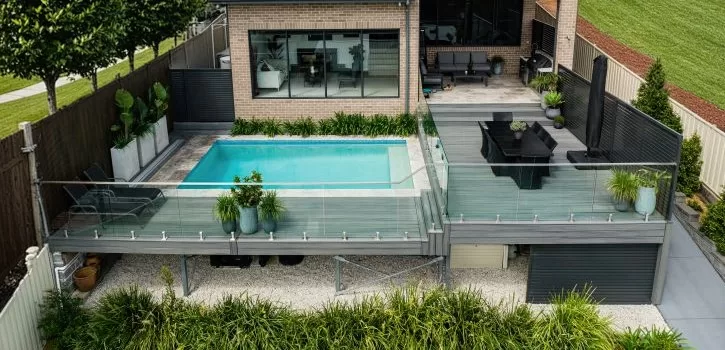
A great outdoor area is rarely about having the biggest backyard. In Sydney, the homes that entertain well are usually the ones that are planned properly – with the right deck size, smart shade, durable materials and enough room for people to move comfortably. If you’re working out how to design an outdoor entertaining area, the best place to start is not with finishes. It is with how you actually want to live in it.
Some homeowners want a relaxed family space that handles weeknight dinners and kids coming in from the pool. Others want a polished entertaining zone with an outdoor kitchen, integrated lighting and a deck that feels like a proper extension of the home. Both can work beautifully, but the design decisions should be driven by use, exposure and long-term maintenance, not just what looks good in a photo.
How to design an outdoor entertaining area around lifestyle
Before you think about decking boards, pergola profiles or balustrade styles, define the job the space needs to do. That sounds simple, but it is where many outdoor projects go off track. A space designed for six people having Sunday lunch is very different from one built for regular large gatherings, poolside entertaining or year-round use.
Start with a few practical questions. How many people do you typically host? Will you need dining, lounging or both? Do you want built-in features like bench seating, privacy screening or an outdoor kitchen? Is the space mainly for daytime use, or does it need to work just as well at night?
The answers shape everything from deck size to circulation paths. As a rule, the most successful entertaining areas feel open without being oversized. Too small and it becomes cramped. Too large and it can feel exposed and disconnected from the home.
Get the layout right before you choose materials
Layout is where function and comfort come together. A well-designed outdoor area should feel easy to use, with clear zones and no awkward pinch points around furniture, doors or stairs. If the area sits directly off your kitchen or living room, that connection should be protected and strengthened. If it feels like a separate platform dropped into the yard, it will never work as hard as it could.
Think in terms of zones rather than one flat open area. A dining zone near the house makes serving simpler. A lounge zone can sit under a pergola or in a slightly more private section of the deck. If you have a barbecue or outdoor kitchen, give it enough room around it so it feels practical, not squeezed in as an afterthought.
Traffic flow matters more than most people expect. Guests should be able to move between the house, deck, yard and pool without cutting through dining chairs or crowding the cooking area. This is especially important in family homes, where kids, adults and pets all use the space differently.
Allow enough room for furniture and movement
One of the most common design mistakes is sizing the area to the furniture rather than to the furniture plus movement. A dining setting may technically fit on a deck, but if nobody can pull a chair out comfortably or walk around the table, the space will feel frustrating very quickly.
This is why custom design matters. Good outdoor construction is not just about building a deck. It is about shaping the footprint so the space works in real life, with realistic clearances, practical access and proportion that suits the home.
Plan for Sydney weather, not just summer
Outdoor entertaining areas in Sydney need to cope with strong sun, sudden rain, humidity and ongoing exposure. A design that looks sharp on day one but ages badly, heats up too much or needs constant upkeep will stop being enjoyable fast.
Shade is one of the smartest investments you can make. That could mean a pergola, partial roof cover or a structure designed to filter light without making the area feel boxed in. The right solution depends on orientation and how much weather protection you want. Full cover gives better all-weather use, but filtered shade can feel lighter and more open if the site already has some protection.
Privacy also deserves attention early. If neighbouring homes overlook the space, screens can make a major difference to comfort without closing everything off. The best privacy solutions are integrated into the design rather than added later, so they feel architectural and intentional.
Lighting changes how often the space gets used
If you entertain at night, lighting should be part of the design from the start. It affects ambience, safety and the overall finish of the project. Step lights, subtle downlighting and feature lighting around screens or handrails and balustrades can make the area feel far more refined than relying on one bright fitting near the back door.
It is also worth planning power access early if you want outdoor heating, a bar fridge, speakers or kitchen appliances. These details are much easier to incorporate before construction than after.
Choose materials that suit your priorities
When homeowners ask how to design an outdoor entertaining area, they often mean which materials they should choose. That is understandable, because material selection affects the look, maintenance level and long-term value of the build.
Timber decking remains a favourite for warmth, natural character and a premium architectural feel. In the right species and with proper construction, it can look exceptional. The trade-off is maintenance. Natural timber generally needs more ongoing care to keep it performing and looking its best, especially in exposed conditions.
Composite decking is popular for homeowners who want a cleaner maintenance profile and strong long-term durability. Premium composite products have come a long way in appearance and can be an excellent fit for busy households, pool zones and projects where consistent finish matters. The trade-off can be upfront cost, and not all products perform equally in Australian conditions, so product quality matters.
There is no single best material for every project. It depends on your budget, the style of your home, your tolerance for maintenance and how exposed the area is. That is why material advice should never be generic.
Think beyond the deck surface
A polished entertaining area is made up of more than boards underfoot. Stairs, handrails, balustrades, screening and roofing elements all contribute to how the space looks and feels. When these pieces are designed together, the result feels cohesive and premium. When they are treated separately, even a good deck can feel unfinished.
If the entertaining area is elevated, safety and compliance are non-negotiable. Balustrades and handrails need to meet standards, but they should also suit the architecture of the home. The right design can preserve views, improve safety and still keep the overall look clean.
Built-in seating is another feature worth considering if space is tight or you entertain often. It can reduce furniture clutter and make the layout feel more resolved. The same applies to integrated planter edges or subtle storage, especially in compact Sydney backyards where every square metre counts.
Make the outdoor space feel connected to the house
The best entertaining areas do not feel like an add-on. They feel like part of the home. That usually comes down to floor height alignment, visual continuity and how well the materials and structure relate to the existing architecture.
If you can create a clean transition from inside to outside, the area will feel larger and more usable. Matching levels, choosing complementary materials and keeping sightlines open all help. Even small changes in step placement or board direction can influence whether the space feels calm and intentional or slightly awkward.
This is where tailored design and experienced construction make a real difference. A custom outdoor area should respond to the site, not force the site to suit a standard layout. For homeowners investing in a premium result, that difference shows up in both day-to-day use and long-term property value.
How to design an outdoor entertaining area with longevity in mind
It is easy to focus on the launch moment – the first barbecue, the new furniture, the way the finished deck lifts the whole backyard. But a good entertaining area should still perform beautifully years later. That means designing for drainage, ventilation, structural integrity and material performance from the outset.
Low-maintenance design is not about doing the bare minimum. It is about making smart choices that reduce future headaches. That might mean selecting a composite board suited to high UV exposure, specifying hardwood for a particular look, or including screens and cover to protect the area from harsher weather. It might also mean investing more upfront in quality workmanship so the structure stays solid, safe and visually sharp over time.
For many Sydney homeowners, the right answer is not the cheapest build or the most feature-heavy one. It is the one that balances appearance, durability and ease of ownership.
A well-designed outdoor entertaining area should make your home feel bigger, more liveable and easier to enjoy. If the layout is right, the materials suit your lifestyle and the construction is handled properly, it becomes one of the hardest-working parts of the property – not just on special occasions, but in everyday life.