
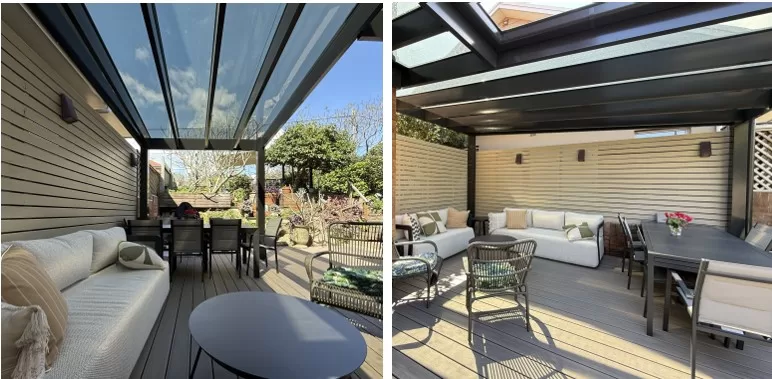
A pergola can make or break a modern backyard. Get the proportions wrong and it looks tacked on. Get the style, materials and detailing right, and the whole outdoor area feels more usable, more polished and far more valuable. That is why choosing the best pergola styles for modern homes is not just about looks – it is about how the structure sits with your house, your deck and the way you actually live outdoors.
For Sydney homeowners, that choice also needs to hold up to hard sun, driving rain, coastal moisture in some suburbs and the usual wear that comes with entertaining, kids and everyday use. A modern pergola should feel clean and architectural, but it also needs to be practical enough to earn its place.
What makes a pergola feel modern?
Modern pergola design is usually defined by restraint. Clean lines, squared profiles, consistent spacing and a deliberate material palette do more for a contemporary home than ornate detailing ever will. The aim is not to add visual noise. It is to create structure, shade and definition while keeping the overall look calm and refined.
That often means flatter rooflines, slimmer members, concealed fixings where possible and colours that tie back to the home. Black, charcoal, off-white and natural timber are all common choices, but the right option depends on whether you want the pergola to stand out or blend in.
The other key factor is proportion. A pergola that is too bulky can overwhelm a modern façade. One that is too slight can look insubstantial, particularly over a generous deck or outdoor dining area. Good design is less about chasing a trend and more about matching the scale of the structure to the home.
Best pergola styles for modern homes
Flat-roof pergolas
If there is one style that consistently works on contemporary homes, it is the flat-roof pergola. It suits modern architecture because the lines are simple, horizontal and uncluttered. It also pairs neatly with low-profile decking, outdoor kitchens and large sliding or stacker doors.
A flat-roof pergola can be built with an open top for filtered light, or fitted with roofing to create better weather protection. The practical question is how much cover you want. If the area is primarily for dining and entertaining, a more sheltered design usually gives you far more use through the year. If the goal is a lighter visual frame over a garden edge or pool zone, an open-top structure may be enough.
For many Sydney homes, this is the safest choice because it looks current without feeling trendy. It has staying power.
Insulated roof pergolas
Homeowners often start by focusing on style and then realise comfort matters just as much. That is where insulated roof pergolas come into the picture. Visually, they still suit modern homes because they can be detailed with clean fascia lines and a crisp finish. Functionally, they offer better heat control and stronger protection from rain.
This style is worth considering if your outdoor area gets harsh afternoon sun or if you want a true extension of the house rather than a part-time shade structure. It can also make the space feel more complete when paired with downlights, fans or heating.
The trade-off is that a fully roofed pergola can feel heavier than a more open design. That can be managed with thoughtful post placement, material selection and integrating the pergola with the deck instead of treating it as a separate add-on.
Batten pergolas
A batten pergola gives modern homes a strong architectural edge. Instead of relying on a solid roof, it uses evenly spaced battens to create rhythm, filtered light and a sharper visual statement. This style works especially well on homes with minimalist landscaping, rendered walls, darker window frames or timber accents.
Battens can be used overhead, along the sides, or both. Side battens are particularly useful when you want privacy from neighbouring properties without closing the area in completely. They soften sightlines, reduce exposure and still let air move through the space.
This is one of the more design-led pergola styles, so detailing matters. Spacing, alignment and finish all need to be handled properly. When done well, it looks tailored and premium. When rushed, it can look busy.
Modern pergola styles that balance shade and flexibility
Louvre pergolas
Louvre pergolas appeal to homeowners who want control. The adjustable roof lets you open the space to sun and breeze, then close it off when the weather turns. For modern homes, they are a natural fit because the profiles are streamlined and the overall look is crisp and contemporary.
This style suits entertainers, poolside settings and outdoor areas that need to work across seasons. It is also a smart option where the backyard gets variable light throughout the day and a fixed cover may be too dark or too exposed.
The main consideration is budget. Louvre systems are usually a more premium option than a standard fixed pergola, and that needs to be weighed against how often you will use the flexibility. For some households, it is absolutely worth it. For others, a fixed roof with the right orientation does the job at a lower cost.
Timber pergolas with a modern profile
Timber is sometimes overlooked when people think of modern design, but that is usually because they picture decorative or old-fashioned detailing. In reality, timber can look exceptionally modern when it is used with simple forms and a restrained palette.
Hardwood posts and beams with square edges create warmth that steel or aluminium alone cannot always match. This can be ideal for modern homes that feel a little stark and need texture to soften the outdoor space. Timber also works beautifully alongside composite decking, especially when the tones are selected carefully rather than trying to match everything exactly.
The trade-off is maintenance. Natural timber requires more care than low-maintenance alternatives, particularly in exposed settings. For many homeowners, the character and visual warmth are worth it. For others, a composite or aluminium-focused solution may be the better fit.
Integrated deck pergolas
Some of the best pergola styles for modern homes are not defined by the roof shape alone but by how well they are integrated with the deck beneath them. A pergola that is designed as part of the overall outdoor build tends to look cleaner, function better and add more value than one installed as an afterthought.
This approach considers everything together – the decking layout, stair direction, privacy screens, balustrades, lighting and roof support locations. It produces a more resolved result because every element belongs to the same design language.
For homeowners planning a larger outdoor upgrade, this is often the smartest path. It helps avoid awkward junctions, mismatched materials and structural compromises later.
How to choose the right pergola for your home
The right style depends on more than façade preferences. Start with how you want to use the space. If you need proper all-weather cover for family meals and weekend entertaining, an insulated roof or louvre pergola may make the most sense. If your goal is visual definition, filtered shade and a more open feel, a flat-roof or batten pergola may be the stronger option.
Next, consider the architecture of the house. A boxy contemporary home usually suits sharp lines and darker framing. A newer coastal-style home may suit a lighter finish with natural timber detail. The pergola should feel connected to the home, not borrowed from a different design era.
Then there is maintenance. This is where many decisions become clearer. If you want a low-fuss outdoor area, lean towards durable finishes and materials that stand up well in Sydney conditions. If you love the look of timber and do not mind ongoing care, that opens up different possibilities.
Finally, think about compliance and build quality. Pergolas are not just decorative features. They need to be designed and constructed properly, especially when attached to an existing home or built over a deck. Getting the engineering, fixings, drainage and finishes right makes a big difference to both longevity and appearance.
Why material choice matters as much as style
Even the best design can disappoint if the materials are wrong for the site. A sleek pergola will not stay sleek for long if the finish struggles in full sun or coastal air. That is why material selection should be part of the design conversation from day one.
Powder-coated aluminium is popular for modern pergolas because it is clean-looking and relatively low maintenance. Timber brings warmth and character but needs ongoing upkeep. Steel can deliver strength and slim profiles, though it must be protected properly. If the pergola sits over composite decking, it also helps to choose colours and textures that complement rather than compete.
This is where experience counts. A well-designed outdoor structure needs to look good on day one, but it also needs to keep performing years later. That balance between appearance, durability and maintenance is what separates a premium outcome from a quick cosmetic upgrade.
A modern pergola should make outdoor living easier, not more complicated. If you choose a style that suits your home, your climate and the way you use the space, the result feels natural from the start – and that is usually the sign you got it right.