
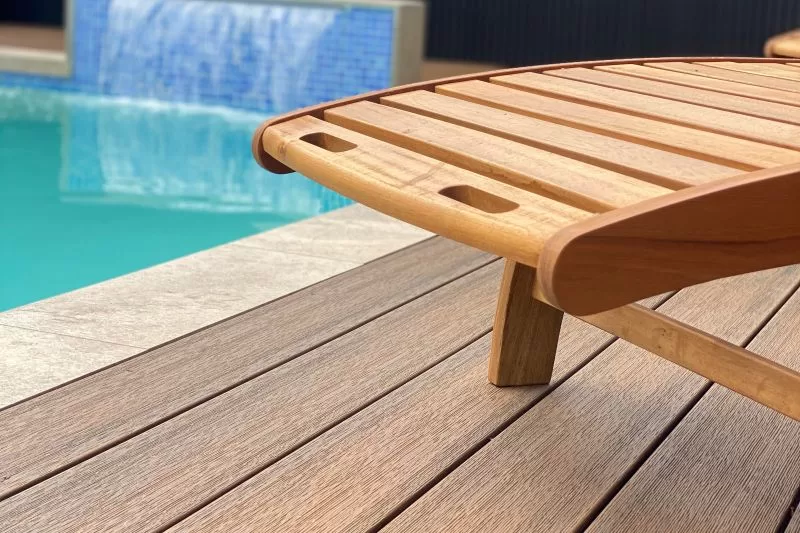
A deck should make outdoor living easier, not give you another weekend job. For many Sydney homeowners, the real question is not whether a new deck will look good on day one. It is which low maintenance decking options will still look sharp after years of sun, rain, pool splashes and regular entertaining.
That is where material choice matters. The right board can reduce sanding, staining, sealing and repair work, while still giving you a finish that suits your home. The wrong one can leave you chasing fading, movement, splinters or mould long after the build is done.
What low maintenance decking options actually mean
Low maintenance does not mean no maintenance. Every deck needs occasional cleaning, and every outdoor material will age in some way. What you are really choosing is how much ongoing work you are willing to do, how the deck will respond to Sydney conditions, and what kind of appearance you want over time.
For some homeowners, low maintenance means a composite deck that only needs washing. For others, it means a premium hardwood that holds up exceptionally well and only needs periodic oiling to keep its colour rich. The best option depends on how you use the space, how exposed the site is, and whether your priority is natural timber character or long-term convenience.
The main low maintenance decking options for Sydney homes
Composite decking
Composite decking is usually the first material people think of when they want minimal upkeep. It is made from a blend of recycled wood fibres and polymers, then formed into boards designed to resist rot, splintering and insect damage. Quality matters here. Premium products tend to offer better stain resistance, more stable colour performance and a more refined surface finish than entry-level boards.
For busy households, composite has obvious appeal. You do not need to sand it, stain it or reseal it every year, and regular care is generally limited to sweeping and washing. That makes it especially popular around pools, alfresco areas and family backyards where the deck gets hard use.
The trade-off is that composite is not all the same. Lower-grade products can feel more plastic-like underfoot, show heat build-up in direct sun, or have a less natural grain pattern. Some ranges also perform better than others in shaded or damp areas, where mould and surface grime can still develop if the deck is not designed with proper drainage and airflow.
Capped composite decking
If you want one of the strongest low maintenance decking options, capped composite is often the front-runner. These boards have a protective outer shell over the composite core, which improves resistance to moisture, staining, fading and surface wear.
This makes capped composite a strong fit for homes with kids, pets, outdoor dining areas and pool surrounds. It handles spills better than uncapped products and usually holds its finish more consistently. Brands such as Trex and Azek are well known in this category because they focus on durability and colour stability, not just appearance.
Cost is usually higher upfront, but for many homeowners the reduced upkeep and longer-term presentation make it worth serious consideration.
Advanced polymer decking
Polymer decking sits slightly apart from standard composite because it contains little to no wood content. That can improve moisture resistance and reduce some of the movement or organic issues associated with timber-based materials.
For highly exposed sites or areas close to water, advanced polymer boards can be an excellent choice. They are often engineered for strong weather performance and low maintenance, with a finish that stays clean and consistent with relatively little effort.
The main consideration is budget. These are premium products, and they are typically selected by homeowners who want a high-end result with very little ongoing attention.
Hardwood decking
Hardwood might not be the first material that comes to mind in a low maintenance conversation, but it should not be dismissed. Dense, durable species can perform extremely well in Australian conditions and offer a natural look that many homeowners still prefer over manufactured boards.
Spotted gum, blackbutt and other quality hardwoods can last for many years when correctly detailed and installed. They are structurally reliable, visually rich and well suited to custom outdoor spaces where warmth and authenticity matter.
That said, timber asks more of you than composite. If you want to preserve the original colour, you will need periodic oiling or finishing. Without that care, the boards will weather to a silvery grey, which some homeowners love and others do not. So hardwood can be low fuss from a structural standpoint, but not necessarily low input if your goal is a freshly finished appearance year-round.
Which option suits different lifestyles?
If your priority is the least amount of upkeep possible, capped composite or advanced polymer decking usually makes the most sense. These materials suit homeowners who entertain often, travel regularly, or simply do not want to think about deck maintenance beyond a basic clean.
If you want a premium natural look and do not mind occasional care, hardwood remains a strong option. It is often chosen for architectural homes, landscaped gardens and projects where the deck needs to feel integrated with other timber features.
If your deck will sit around a pool or spa, slip resistance, heat retention and moisture performance deserve close attention. Not every board behaves the same in full sun or wet conditions, so material selection should be based on the exact site rather than broad assumptions.
For investment properties or commercial settings, low maintenance usually means reducing ongoing labour and avoiding frequent refinishing. Composite products often perform well here, especially where appearance consistency matters.
Why installation matters as much as the board
A premium material can still disappoint if the build quality is poor. Many deck problems that people blame on the board are actually caused by subframe movement, bad spacing, poor ventilation or weak detailing around edges and fixings.
This is especially important in Sydney, where decks can face intense UV, sudden storms, coastal moisture and wide temperature changes. A deck needs to be designed for drainage, expansion and structural stability from the start. That includes choosing the right frame, allowing for airflow beneath the boards, and making sure stairs, balustrades and transitions are finished properly.
Low maintenance starts with good construction. If water gets trapped or boards are forced to move against their natural tolerances, maintenance demands rise quickly.
The cost question: upfront spend versus long-term value
It is tempting to compare decking materials by square metre rates alone, but that only tells part of the story. Timber may cost less upfront in some cases, yet require more ongoing work and periodic product application. A premium composite board may cost more initially, but save time and maintenance costs over the life of the deck.
There is also the value of presentation. A deck that keeps its finish with minimal effort is more likely to stay usable, look better for longer and continue adding to your home’s appeal. For many property owners, that makes low maintenance materials a practical investment rather than a luxury upgrade.
How to choose between low maintenance decking options
Start with how you want to live in the space. If you want an outdoor area that handles family traffic, weekend barbecues and pool use without much thought, composite is usually the stronger fit. If you care most about natural texture and the look of real timber, hardwood may be the better match, provided you are comfortable with a bit more upkeep.
Next, think about exposure. A covered courtyard, a north-facing entertaining area and a coastal backyard all place different demands on decking. Colour choice matters too. Darker boards can absorb more heat, while lighter tones often suit sunny areas better.
Finally, consider the finish you want in five years, not just after installation. The best material choice is the one that still suits your expectations once the deck has been lived on, cleaned, weathered and properly tested by real life.
For homeowners comparing low maintenance decking options, the smartest move is usually to look at samples in person, talk through the site conditions, and choose a system that balances appearance, durability and realistic upkeep. A well-designed deck should feel like part of the home, not another item on the maintenance list. If you get the material and the build right from the start, that is exactly what it becomes.