
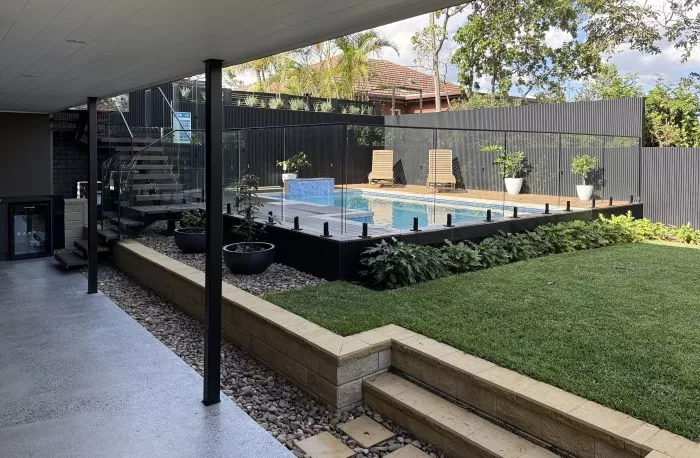
A pool area can look spectacular and still feel exposed. If your neighbours have a clear line of sight into the water, the deck, or the seating area, it changes how often you actually use the space. Well-designed pool deck privacy screens fix that problem without making the area feel boxed in or heavy.
The right screen does more than block views. It can soften wind, create a stronger sense of retreat, improve the look of the deck, and tie the pool zone into the rest of the backyard. For Sydney homeowners, that matters because outdoor spaces are used hard – through summer heat, coastal air, storms and day-to-day wear.
What makes pool deck privacy screens worth doing properly
Privacy around a pool is rarely just about seclusion. It is usually a mix of comfort, aesthetics and practicality. A screen can help separate the active pool zone from adjoining boundaries, neighbouring windows, alfresco dining areas or service spaces, so the whole backyard feels more organised and intentional.
Done well, a privacy screen also adds value to the deck itself. Instead of the pool sitting out in the open, the space feels framed. That can make a compact backyard feel more refined, while in larger properties it helps create usable zones rather than one broad, exposed area.
There is a design balance to get right, though. Too closed off, and the pool area can lose light and airflow. Too open, and the screen becomes decorative rather than functional. The best outcome depends on where the overlooking comes from, the sun path, prevailing breeze, and the style of the home.
The best styles of pool deck privacy screens
There is no single best screen for every pool deck. What works on a narrow suburban boundary may not suit an elevated entertaining area or a modern pool with strong architectural lines.
Slatted timber screens
Timber slat screens remain one of the most popular options because they look warm, premium and tailored. Horizontal or vertical battens can be spaced to control visibility without fully closing the area in. They work particularly well when the deck is already timber, or when you want to bring a natural finish into a contemporary backyard.
The main trade-off is maintenance. In Sydney conditions, natural timber needs proper species selection, sealing or oiling, and ongoing care to keep it looking sharp. For many homeowners that is worth it for the character of real hardwood, but it is not the lowest-maintenance path.
Composite screening
Composite screens suit homeowners who want a cleaner, more low-maintenance finish. They are especially appealing when paired with composite decking, because the colours and overall look can feel consistent across the whole project.
A quality composite product can hold up well in harsh weather and reduce the upkeep compared with timber. The design still matters, though. Not every composite board or batten profile is suitable for screening, and poor detailing can make the screen feel bulky. Material choice should always match the structural and visual requirements of the project.
Decorative laser-cut panels
If the goal is privacy with a stronger design statement, decorative metal panels can work well in selected areas. They can break up a long run of fencing, add pattern and shadow, and complement modern architecture.
They are less ideal when full privacy is needed from close neighbours, because many cut-out patterns still allow direct visibility at certain angles. They are often best used as a feature element combined with more practical screening elsewhere.
Mixed-material screens
Some of the best pool deck privacy screens use more than one material. A screen might combine timber battens with a framed structure, or include planter boxes, seating, pergola elements or partial overhead screening. This approach often feels more custom and more integrated with the rest of the outdoor area.
It also lets you solve several problems at once. For example, you might want privacy from one side, airflow from another, and visual continuity with stairs, balustrades or an adjoining pergola.
Choosing the right material for Sydney conditions
Sydney backyards ask a lot from outdoor structures. Intense UV exposure, heavy rain, moisture around pool zones, and in some areas salt-laden air all affect how a screen performs over time.
Natural hardwood remains a premium choice where appearance is the priority and ongoing maintenance is acceptable. When selected and installed properly, it offers strength and a timeless finish that suits high-end outdoor spaces. Species choice, coating system and detailing all matter here, especially around pool splash zones.
Composite materials appeal to many homeowners because they reduce upkeep and provide a more predictable finish. They can be a smart fit for busy families, investment-minded renovations and pool areas where ease of ownership is part of the brief.
Metal can also perform well, particularly in powder-coated applications, but the specification needs to suit the location. Around pools, corrosion resistance is not something to guess your way through. A premium finish and proper installation detail are essential if you want the screen to keep its look.
Design details that make a screen feel premium
A privacy screen should not look like an afterthought bolted onto an otherwise finished deck. The best results come when the screen is considered as part of the full outdoor design.
Proportion is one of the biggest factors. Oversized posts, awkward joins or uneven spacing can cheapen the result quickly. Clean lines, consistent gaps and properly resolved corners make a major difference, even if most people cannot immediately explain why the screen looks better.
Height matters too. A screen that is too low will not solve the problem, but one that is too high can feel oppressive and may affect compliance depending on the location and adjoining structures. The ideal height depends on sight lines from neighbouring homes, the level of the deck, and whether the screen sits on a boundary or within the pool zone.
Colour and finish are equally important. Darker screens can create contrast and a more architectural look, while lighter tones often feel softer and more open. The right choice depends on the home, the fencing, and whether you want the screen to stand out or blend in.
Privacy, shade and airflow need to work together
One common mistake is treating privacy as a single-purpose upgrade. Around a pool, comfort depends on several factors working together.
If a screen blocks the afternoon sun in the wrong spot, the poolside seating area may become cooler and less inviting than expected. If it stops breeze entirely, the deck can feel still and hot in summer. If it creates too much enclosure near the water, the space can lose the relaxed open-air feel that people want from a pool area.
That is why semi-private designs often perform better than solid barriers. Angled battens, spaced slats and carefully positioned screens can interrupt views while still allowing light and ventilation. It is a more considered solution, and usually a better-looking one.
Compliance and build quality are not optional
Pool areas come with extra scrutiny for good reason. Safety, access, structural fixing and compliance all need to be handled correctly. If a privacy screen is attached to or positioned near a pool fence, gate, balustrade or raised deck, the design has to account for relevant requirements from the start.
This is where custom construction matters. A screen in a pool area is not just a decorative panel. It has to be durable, secure and appropriately integrated with surrounding structures. The footings, framing, fixings and material selection all affect performance over time.
For homeowners, the practical takeaway is simple: this is not the place for guesswork or a lightweight off-the-shelf solution that looks acceptable for six months and then starts to move, fade or deteriorate.
When custom pool deck privacy screens make the most sense
Custom screens are usually the right choice when the pool deck is elevated, when the home has multiple overlooking points, or when you want the screen to match existing decking, pergolas or architectural details. They are also worth considering when the project needs to achieve more than one goal, such as privacy, wind control, visual screening and added style.
For many Sydney homes, custom work also makes sense because blocks are rarely straightforward. Boundaries can be tight, levels can shift, and neighbouring structures may create odd sight lines that standard panels do not solve well.
A tailored design gives you more control over spacing, height, framing and finish. It also helps the completed space feel intentional rather than pieced together. That difference is often what turns a decent backyard into one people genuinely enjoy using.
At UrbanArch Building, we see that happen when the screen is designed as part of the overall outdoor space, not treated as a late add-on. The result is cleaner, more durable and far better suited to how homeowners actually live.
If your pool deck looks good but still feels exposed, a privacy screen can change the way the whole area works. The smartest option is usually the one that solves the privacy issue while still preserving light, airflow and the sense of quality you want every time you step outside.