
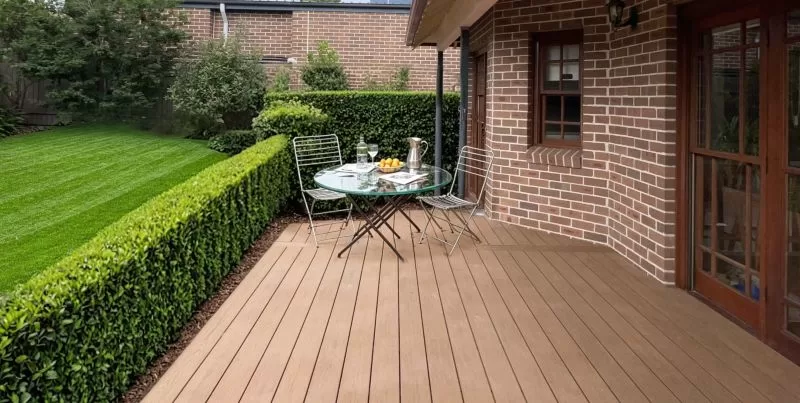
A deck can look simple on paper – a flat outdoor platform with a few steps and a handrail. Then the quotes come in, and the range is wider than most homeowners expect. If you’re asking how much does a new deck cost, the honest answer is that size matters, but design, materials, site access, compliance, and finish level matter just as much.
In Sydney, a new deck can start at the more budget-conscious end for a straightforward treated pine platform and climb significantly for premium hardwood or composite decking with stairs, screens, lighting, and custom detailing. The difference between a basic deck and a properly designed outdoor living space is often where the real value sits.
How much does a new deck cost in Sydney?
As a practical starting point, many Sydney homeowners can expect a new deck to fall somewhere between $800 and $980+ per square metre for a standard Trex deck build, with premium projects moving beyond that depending on the specification. A simple, ground-level deck with easy access and minimal extras will usually sit at the lower end. A custom deck with composite boards, integrated stairs, privacy screening, balustrades, and more complex structural work will land at the higher end.
That means a small 20m2 deck may cost roughly $16,000 to $19,600+, while a 40m2 deck could sit around $32,000 to $39,000+ depending on the material and level of finish. Those are useful guide figures, not fixed prices. They help frame the conversation, but no reliable deck builder should treat them as a substitute for a site inspection.
Try our Deck Cost calculator for an instant estimate of what you have in mind.
What drives the cost of a new deck?
The biggest pricing factor is usually the material you choose. Timber and composite can both deliver a premium result, but they behave differently over time and carry different upfront costs.
Treated pine is generally the most economical option. It can work well for homeowners focused on value, especially for straightforward backyard applications, but it does require ongoing maintenance and it will not deliver the same visual richness or lifespan as higher-end materials.
Hardwood decking sits higher in the market and for good reason. Species selected for Australian conditions offer strong durability, a refined natural look, and long-term performance when properly installed and maintained. Hardwood suits homes where appearance matters and where the deck is intended to feel like a true extension of the house rather than a basic add-on.
Composite decking usually costs more upfront than entry-level timber, but it appeals to homeowners who want lower maintenance and a consistently polished finish. Premium boards from established brands also offer strong resistance to fading, warping, and weather exposure, which can make the long-term value very appealing in Sydney conditions.
The next major factor is the structure underneath. A low, flat deck built over a clear and level site is simpler and more cost-effective than a raised deck requiring deeper footings, steel supports, retaining solutions, or more extensive framing. Once you introduce sloping land, drainage concerns, or awkward access, labour and engineering demands increase quickly.
Then there are the details that turn a deck into a finished outdoor space. Stairs, privacy screens, pergolas, seating, lighting, handrails, and balustrades all add cost, but they also add function, safety, and visual impact. In many projects, these are not optional extras. They are what make the space practical for family life and entertaining.
Material choice and budget expectations
If your goal is the lowest possible upfront spend, treated pine will usually lead the conversation. It can be suitable for some applications, but it is worth weighing the lower entry price against staining, sealing, and maintenance over time. Budget now does not always mean best value later.
Hardwood is often the right fit for homeowners who want warmth, character, and a premium architectural finish. Pricing varies depending on the species and board profile, but hardwood typically sits in the mid to upper range. It rewards good design and quality installation.
Composite is often chosen by clients who are tired of sanding, oiling, and replacing weathered boards. While the upfront investment is usually higher than basic timber, the reduced maintenance and long service life can make it a smart option for busy households, pool areas, and homes exposed to strong sun and rain.
For many Sydney properties, the right material is not just about what looks good on day one. It is about how the deck will perform after years of weather, foot traffic, and exposure. A cheaper board in a harsh setting can become expensive if it needs ongoing repair or early replacement.
Design complexity changes everything
Two decks can be the same size and still cost very different amounts. A simple rectangle attached to the rear of a house is one thing. A multi-level entertaining deck wrapping around a pool, with built-in stairs and screening, is another.
Shape affects labour because more cuts, joins, and edge detailing take more time. Height affects structure because elevated decks require more substantial support systems and often additional compliance considerations. Even site access matters. If materials cannot be moved easily from the street to the backyard, labour increases.
This is why square metre rates are helpful only to a point. They are a broad guide, not a final answer. Once a deck includes custom features or difficult site conditions, the cost per square metre can rise well beyond the standard range.
Approvals, compliance, and safety costs
One part of deck pricing that homeowners sometimes overlook is compliance. Depending on the deck height, location, and scope, your project may require approvals, inspections, or engineering input. If the deck includes balustrades, stairs, or connects to a pool area, safety requirements become even more important.
That is not wasted spend. It protects the build, supports long-term durability, and reduces the risk of expensive issues later. A properly constructed deck should feel solid, drain correctly, meet relevant standards, and integrate safely with the rest of the property.
Cut-price quotes can look attractive until details such as footing depth, structural framing, hardware quality, and code requirements are examined more closely. A premium deck is not just about what you see from the top. The hidden construction work matters just as much.
Typical add-ons that increase deck cost
When homeowners ask how much does a new deck cost, they are often picturing the deck boards alone. In reality, many projects include extras that have a real impact on the final number.
Stairs are a common addition and can add meaningfully to cost depending on width, height, and finish. Balustrades and handrails are often essential for safety and compliance. Privacy screens can transform how usable a yard feels, especially in tighter Sydney suburbs. Pergolas and roof structures create shade and improve year-round comfort. Lighting, bench seating, and feature steps lift the overall result and make the space feel complete.
These inclusions are where a custom build starts to outperform a basic one. They cost more, but they also create a space you actually use more often.
How to budget without underquoting yourself
A practical way to approach your budget is to separate must-haves from nice-to-haves. Start with the deck size you need and the material quality you are comfortable investing in. Then consider which extras are essential for safety, privacy, or usability.
If you are renovating with long-term value in mind, it often pays to build the right structure from the start rather than installing a stripped-back version and upgrading later. Retrofitting screens, stairs, or pergola elements can be more expensive than incorporating them into the original design.
It also helps to think in terms of outcome, not just cost. A deck that handles Sydney weather well, complements the home, and requires less ongoing maintenance can justify a higher upfront spend. The cheapest quote rarely delivers the best outdoor living result.
So, what should you expect to pay?
For a straightforward small deck, you may be in the lower five-figure range. For a larger or more customised hardwood or composite deck with quality finishes, it is common to move well beyond that. Once you include site challenges, privacy features, stairs, or premium products, the investment rises accordingly.
At UrbanArch Building, this is usually where a proper consultation makes the biggest difference. Instead of guessing from broad online estimates, homeowners get a clearer picture of what suits their site, their lifestyle, and the finish they want to achieve.
A new deck is not just a construction cost. It is the price of creating a better way to use your home outdoors, and that is worth getting right from the beginning.
Want some more informatio, your experienced Sydney deck builders are only a phone call away.