
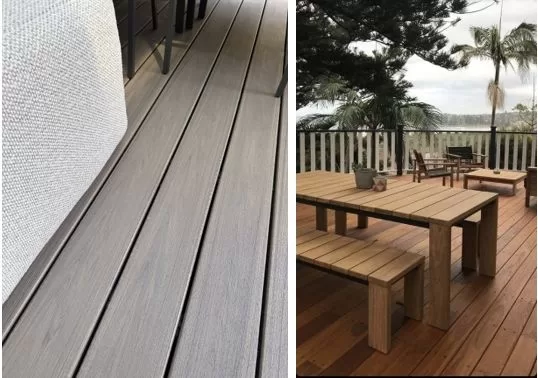
A deck can look brilliant on day one and still be the wrong choice five summers later. That is why composite decking vs hardwood decking is not just a style decision. For Sydney homeowners, it comes down to how you want the space to feel, how much maintenance you can live with, and how well the material will handle heat, rain, pool splash and daily family use.
Both options can create a premium outdoor area. Both can add value to a home when designed and built properly. But they perform differently over time, and that is where the real decision sits.
Composite decking vs hardwood decking: what actually changes?
At a glance, the main difference is simple. Hardwood is a natural timber product with unique grain, tonal variation and organic character. Composite is a manufactured board, usually made from a blend of recycled wood fibres and plastics, designed to give a consistent finish with lower upkeep.
In practice, the choice affects almost every part of ownership. It changes how often you clean, oil or refinish the deck. It changes how the boards weather, how they feel underfoot, and how much time and money you put into the surface after installation.
If you love the look of real timber and do not mind caring for it, hardwood can be a beautiful long-term option. If you want a more predictable, lower-maintenance solution that keeps its finish with less effort, composite often makes more sense.
Appearance and feel underfoot
Hardwood has a warmth that is hard to replicate perfectly. Species such as spotted gum and blackbutt are popular for a reason. They bring natural movement, texture and depth, and no two boards are exactly the same. For many homeowners, that authenticity is the whole appeal.
Composite has improved dramatically in recent years. Premium boards now offer convincing grain patterns, varied colour tones and refined finishes that suit modern homes, pool surrounds and entertaining areas. It is still a more controlled look than timber, but that consistency can be a benefit if you want a clean architectural finish.
Underfoot, there is also a difference. Hardwood feels more natural and can age attractively if maintained well. Composite tends to feel smoother and more uniform. Some ranges have a brushed texture for added grip, which can be useful around pools or in exposed areas.
This is one of those areas where preference matters. If the emotional appeal of real timber is high on your list, hardwood usually wins. If you prefer a sharp, polished look without the ongoing timber care, composite is often the better fit.
Maintenance is where the gap gets wider
This is usually the turning point for homeowners weighing up composite decking vs hardwood decking.
Hardwood needs ongoing maintenance if you want to keep its colour and condition. That usually means cleaning, oiling or sealing at intervals depending on the species, exposure and traffic. In Sydney conditions, decks exposed to full sun or heavy rain can weather quickly if they are neglected. Timber can still perform very well, but it rewards regular care.
Composite is designed to reduce that workload. It does not need sanding, staining or oiling in the same way timber does. General washing and routine cleaning are still required, especially under outdoor furniture or around leaves and debris, but the maintenance burden is usually much lower.
That does not mean composite is maintenance-free. No outdoor product is. It simply means the upkeep is more about cleaning than restoration.
For busy households, investment properties or anyone who wants to spend weekends using the deck instead of working on it, composite has a clear advantage.
Durability in Sydney conditions
Sydney weather can be tough on outdoor materials. Strong UV, coastal moisture, storms, heat and pool chemicals all play a part. A deck has to do more than look good in a brochure. It has to stay stable and safe through changing seasons.
Hardwood is strong, durable and proven in Australian conditions when the right species is selected and the deck is built properly. Good hardwood can last for many years, but it is still a natural product. It can expand, contract, silver off, cup or develop surface checking over time, particularly if maintenance slips.
Composite is engineered for consistency. Quality boards are built to resist rot, splintering and insect damage, and many hold their colour better than timber over the years. They are especially appealing where low maintenance and weather resistance are priorities.
The important detail is product quality. Not all composite boards perform the same way, especially in heat. Premium brands are a very different proposition from cheaper boards that may fade, mark or move more than expected. The subframe, spacing, fixing method and ventilation also matter just as much as the board itself.
Cost now versus cost later
Initial price and long-term value are not always the same thing.
Hardwood can be more affordable than premium composite in some cases, depending on the timber species, board size and market supply. But that lower upfront figure can shift over time once cleaning products, oils, labour and maintenance cycles are factored in.
Composite often comes with a higher initial material cost, particularly for premium ranges. The trade-off is lower ongoing maintenance and a more stable long-term finish. For many homeowners, the question is not simply what costs less to install. It is what costs less to own while still looking the way you want it to look.
There is also the matter of replacement timing. A well-built and well-maintained hardwood deck can last a long time, but neglect shortens its life quickly. Composite may cost more at the start, yet it can deliver better whole-of-life value for owners who want less upkeep and more predictable performance.
Heat, slip resistance and day-to-day comfort
Outdoor living is about use, not just appearance. If the deck surrounds a pool, sits in full western sun or gets heavy foot traffic from kids and guests, comfort matters.
Both hardwood and composite can heat up in direct sun. Darker colours usually get hotter, regardless of material. Some composite ranges are designed to reduce heat retention, but performance varies by brand and colour. Hardwood can also become hot, especially darker species.
Slip resistance depends on board profile, finish, moisture and maintenance. Around pools or in shaded areas, it is worth looking closely at the specific product rather than assuming one material category is always safer than the other. A properly selected board and a compliant build matter more than labels alone.
This is why site conditions should drive the choice. A shaded backyard deck has different demands from a fully exposed rooftop or poolside platform.
Which option suits which homeowner?
Hardwood suits homeowners who value natural beauty, do not mind regular upkeep, and want a deck with organic character that can age gracefully when cared for. It works particularly well on homes where timber features already play a strong design role.
Composite suits homeowners who want a premium finish with less maintenance, more colour consistency and strong long-term performance. It is often the preferred option for busy families, entertainers, commercial spaces and anyone replacing an old deck they are tired of maintaining.
Neither choice is universally better. The better option is the one that fits your home, your lifestyle and your expectations after installation.
The build quality matters as much as the board
A premium board on a poor subframe is still a poor deck. This is one area many homeowners understandably overlook. Material selection gets most of the attention, but structure, drainage, ventilation, fixings, stair detailing and compliance all affect how the deck performs.
That is especially true for larger custom builds with pergolas, privacy screens, balustrades or changes in level. The right product needs to be paired with the right construction method, otherwise even the best board can underperform.
An experienced deck builder will help you weigh up the site conditions, sunlight, surrounding finishes, expected traffic, maintenance tolerance and overall design intent before recommending a material. That advice tends to save money and frustration later.
For Sydney homes, there is no one-size-fits-all answer in the composite decking vs hardwood decking debate. There is only the right fit for the way you want to live outdoors. If you start with that in mind, the material choice becomes much clearer – and the finished deck will feel right long after the build is complete.