
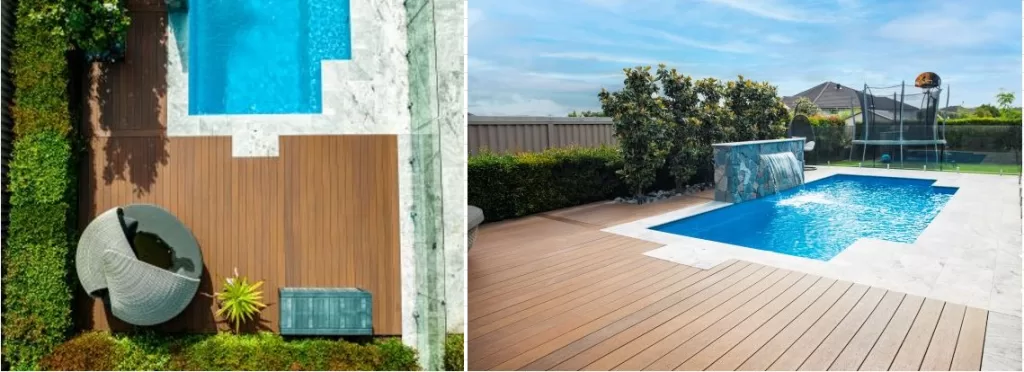
A deck that looks great in the showroom can feel very different after a few Sydney summers. Harsh UV, heavy rain, pool splash, leaf litter and day-to-day foot traffic all test a material properly. So if you are asking how long does composite decking last, the short answer is usually 25 to 30 years, with some premium boards rated for even longer.
That said, lifespan is never just about the board itself. It depends on the quality of the product, how well the deck is built, how much sun and moisture it copes with, and whether basic care is kept up over time. For homeowners investing in a premium outdoor area, those details matter because they shape how the deck looks and performs year after year.
How long does composite decking last in real conditions?
Most quality composite decking is designed to last at least two to three decades. Entry-level products may sit closer to the lower end of that range, while premium capped composite boards can push well beyond 30 years when installed correctly and used in the right setting.
In real conditions, the expected lifespan is tied to more than a brochure figure. A deck exposed to full western sun, poor drainage and constant moisture around a pool will age differently from one with good airflow, proper framing and thoughtful material selection. That is why experienced design and construction matter just as much as the board brand.
For Sydney homes, composite performs well because it is built to resist many of the issues that shorten the life of traditional timber decks. It does not rot like untreated wood, it is less prone to splintering, and it does not need the same cycle of sanding, staining and oiling to remain serviceable. That lower maintenance profile is a major reason many homeowners see composite as a long-term value choice rather than just a finish upgrade.
What affects how long composite decking lasts?
The biggest factor is product quality. Not all composite decking is made the same. Higher-end boards generally have better density, stronger protective caps, more stable colours and more reliable manufacturing tolerances. Those details influence resistance to fading, staining, moisture ingress and surface wear.
Installation quality is just as important. Even excellent boards can underperform if they are installed over inadequate framing, with poor spacing, weak ventilation or drainage issues. Composite needs room to expand and contract, and it needs a substructure that stays stable over time. If water is allowed to sit around joists or under boards, the whole deck system can suffer, even if the decking boards themselves remain intact.
Sun exposure also plays a role. Sydney conditions can be hard on outdoor materials, especially in open backyards or rooftop spaces with intense afternoon sun. Modern capped composites are designed to resist UV damage far better than older generations, but some weathering over time is normal. Lighter colours usually hide heat and surface change more gracefully than very dark boards.
Usage matters too. A family entertaining every weekend, kids running in and out from the pool, pets scratching across the surface and furniture being dragged around will all add wear. Composite handles this lifestyle well, but heavier use still makes product choice more important. In high-traffic areas, it makes sense to choose a board with a stronger cap layer and a proven performance record.
Composite vs timber lifespan
If you are comparing materials, the more useful question is not just how long does composite decking last, but how that lifespan compares with timber in practical terms.
A well-built hardwood deck can last for many years, and in some cases for decades, but it usually asks much more from the owner along the way. Oiling, cleaning, checking for movement, replacing weathered boards and managing surface wear are all part of the equation. In Sydney’s climate, neglected timber tends to show its age quickly.
Composite shifts that balance. You typically trade some of timber’s natural variation for a more predictable lifespan and lower upkeep. That makes composite especially appealing for homeowners who want a refined outdoor area without signing up to regular maintenance weekends.
There are still trade-offs. Composite can retain more heat than some timbers in direct sun, and cheaper products can look less natural or feel less solid underfoot. Premium boards address much of this, but they come at a higher upfront cost. The key is to compare the full life of the deck, not just the initial build price.
Signs a composite deck will last longer
When assessing options, it helps to look past colour samples and ask better questions about performance. A longer-lasting composite deck usually starts with a capped board from a reputable manufacturer, paired with a frame and fixing system suited to Australian conditions.
You also want to see attention to drainage, ventilation and edge detailing in the design. These are not glamorous parts of a project, but they are often what separate a deck that stays straight and stable from one that develops avoidable issues. Good builders think about the whole structure, not just the top surface.
Warranty can be a useful indicator, although it should not be treated as the only measure of quality. A long warranty is reassuring, but what matters more is whether the product has a credible track record and whether it is being installed to specification. A premium board installed poorly is still a compromise.
How to get the longest life from composite decking
Composite is low maintenance, not no maintenance. That distinction matters.
Regular cleaning helps preserve the surface and appearance. Dirt, leaf tannins, food spills and pooled moisture can all leave marks if ignored for too long. A simple wash-down and occasional scrub in problem areas is usually enough to keep the deck in good order.
It also helps to protect the surface from avoidable damage. Use pads under outdoor furniture, clean up barbecue grease promptly and avoid dragging heavy planters or sharp-edged items across the boards. Around pools, rinsing off salt or chemical residue can help maintain the finish.
Just as importantly, keep drainage paths clear. If debris builds up between boards or around the perimeter, water can sit where it should be flowing away. That may not destroy the composite board itself, but it can affect the deck system over time and create staining or mould issues.
Is composite decking worth it for Sydney homes?
For many homeowners, yes. If your goal is an outdoor space that looks polished, handles the weather well and stays relatively easy to live with, composite is a strong fit. It suits family homes, entertainers, pool surrounds and renovation projects where long-term presentation matters.
It is especially worthwhile when the deck is being treated as an extension of the home rather than a basic backyard platform. In those projects, durability and finish quality tend to matter more, and the value of reduced maintenance becomes much clearer after the first few years.
This is where professional guidance can save money as well as frustration. The right board for a shaded courtyard may not be the right board for a fully exposed entertaining area. At UrbanArch Building, that material selection process is part of creating a deck that not only suits the look of the home, but also stands up to the way it will actually be used.
When composite may not be the perfect choice
Composite is not automatically the best option for every project. Some homeowners strongly prefer the character and feel of real timber, and for the right property that can still be an excellent choice. Others are working to a tighter budget and may find timber more accessible upfront, even if maintenance costs are higher over time.
The smartest approach is to choose the material based on lifestyle, exposure, maintenance expectations and design goals. A deck should work hard and look right for the home around it. That is a better decision-making lens than chasing a single headline lifespan figure.
If you are planning a new outdoor space, think of lifespan as part of the bigger picture. Composite decking can last for decades, but the best results come when quality materials are matched with thoughtful design and precise construction. That is what turns a deck from a nice addition into a part of the home you will keep using, and enjoying, for years to come.