
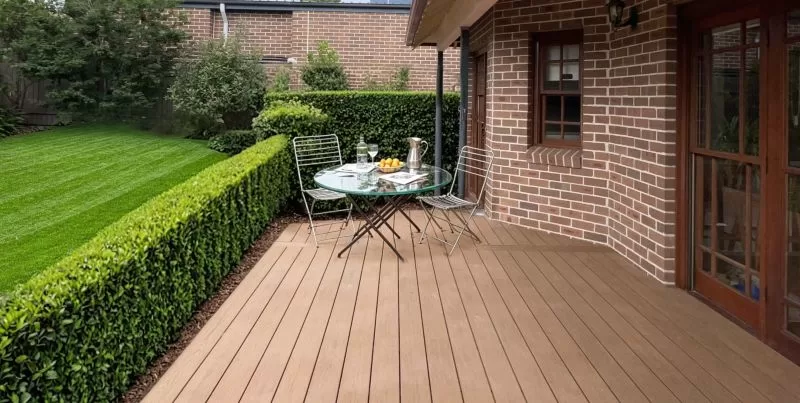
A good deck changes how a Sydney home gets used. It turns an awkward backyard into a place for long lunches, gives a pool area a cleaner edge, and makes sloping or underused land feel like part of everyday life. That is why custom deck design Sydney homeowners invest in is rarely just about adding timber boards outside. It is about shaping an outdoor area around the way you live, entertain and move through your property.
The best results come from treating the deck as part of the home, not an add-on. A well-designed deck should suit the architecture, respond to the site, and hold up in Sydney conditions – strong sun, wet periods, coastal air in some suburbs, and heavy family use year after year.
Why custom deck design in Sydney matters
Sydney homes are rarely one-size-fits-all, and outdoor spaces are no different. Some blocks are compact and level. Others are steep, irregular or split across multiple heights. Then there are pool zones, rear extensions, garden access points, privacy concerns and council requirements to work through. A standard deck layout often misses those details.
Custom deck design in Sydney gives you more control over how the space works. That might mean wrapping a deck around a pool, creating steps that feel broad and inviting rather than cramped, or adding screening and pergola elements so the area is comfortable in more than one season. It can also mean designing for future use – young families needing safe movement today, and lower-maintenance finishes that still look sharp years down the track.
A tailored approach also protects value. Premium homes need outdoor spaces that look considered, not improvised. The line of the boards, the proportion of the stairs, the way balustrades meet the deck edge – small details affect the finished result more than many homeowners expect.
What a well-designed deck needs to achieve
A deck should look good, but that is only one part of the job. Good design balances appearance with structure, safety and practicality.
The first question is how you want to use the space. If the deck is for entertaining, you may need generous circulation room around an outdoor table, barbecue or built-in seating. If it is for a pool, slip resistance, edge detailing and access become more important. If the area links indoor and outdoor living, the deck height and transition from inside flooring need close attention so the whole space feels connected.
Sun and weather matter too. Western exposure can make some deck areas harsh in the afternoon, while shaded zones may stay damp longer after rain. Privacy is another common factor in Sydney suburbs, where neighbouring homes can overlook backyards from close range. In those cases, screens, pergolas and smart orientation can do as much for comfort as the deck itself.
Then there is compliance. Structural framing, balustrade heights, stair design and load requirements all need to meet the right standards. Homeowners should never have to choose between a deck that looks premium and one that is properly built. The right builder plans for both from the start.
Choosing materials for custom deck design Sydney projects
Material selection is where appearance, budget and maintenance all meet. There is no single best option for every home. It depends on the look you want, how much upkeep you are comfortable with, and the site conditions.
Natural hardwood remains popular for homeowners who want warmth, character and an authentic timber finish. Quality hardwood decking can look exceptional, especially on architecturally designed homes or properties where natural materials suit the landscape. The trade-off is maintenance. Timber generally needs more ongoing care to preserve its appearance, particularly in areas exposed to full sun, moisture or leaf litter.
Composite decking appeals to homeowners who want a more low-maintenance solution without giving up a refined finish. Premium composite products have come a long way in both appearance and performance. They are often chosen for busy family homes, pool surrounds and entertaining areas where owners want durability and easier upkeep. Not all composite boards are equal, though. Board construction, surface finish, heat performance and warranty quality vary across brands, so product knowledge matters.
For some homes, the best answer is not purely aesthetic or purely budget-driven. It is about matching material to use. A front-facing feature deck may suit one finish, while a rear entertaining area exposed to heavy wear may benefit from another. A builder with experience across both hardwood and premium composite options can guide that decision far more effectively than someone pushing a single system.
Design features that lift the result
A deck often looks more premium when the supporting elements are designed at the same time. This is where custom work stands apart from a basic platform build.
Integrated stairs can make the deck feel broader and more welcoming, especially when they run the width of a transition rather than dropping down in one narrow spot. Privacy screens can block overlooking while adding architectural structure. Pergolas help define the outdoor room and improve comfort through summer. Balustrades and handrails are safety items, but they also shape the visual finish of the project.
Lighting is another detail worth planning early. Subtle stair lighting, feature lights along screens, or carefully placed fittings around seating areas can change how usable the space feels at night. It is much easier to account for these details during design than to retrofit them later.
The strongest deck designs do not pile on features for the sake of it. They use the right elements to solve real problems – shade, privacy, level changes, safety or flow – while keeping the look clean and cohesive.
Common mistakes homeowners make
One of the biggest mistakes is designing around square metre rate alone. Budget matters, of course, but the cheapest layout is not always the most economical over time. Poor material choice, undersized stairs, awkward traffic flow or exposed detailing can make a new deck feel frustrating surprisingly quickly.
Another common issue is underestimating maintenance. Timber can be a beautiful choice, but only if you are realistic about upkeep. If you already know that ongoing oiling or refinishing is unlikely to happen regularly, a premium composite option may be the smarter long-term fit.
Some homeowners also focus heavily on the deck boards and very little on the structure underneath. Subframe quality, fixings, drainage planning and installation precision all affect durability. A deck may look good on handover day and still develop problems early if those fundamentals are compromised.
Finally, many people think of a deck as a standalone project when it often works better as part of a broader outdoor plan. Screens, stairs, pergolas, handrails and surrounding finishes should all feel connected. That is usually where the final result shifts from serviceable to genuinely impressive.
The value of working with a specialist
Custom deck design Sydney properties demand is not just about drawing a layout and picking a board colour. It involves understanding materials, structural requirements, outdoor living patterns and local site conditions, then bringing those pieces together into a finished build that feels right for the home.
Working with a specialist gives you a clearer path from concept to completion. Instead of juggling design decisions, compliance questions and trade coordination on your own, you get a more considered process. That includes advice on what is worth spending on, where a simpler solution makes sense, and how to avoid costly compromises later.
For premium residential projects, that guidance matters. Homeowners are not only paying for labour and materials. They are paying for judgement – the ability to see how the space will function, how it will age, and what details will make the biggest difference in daily use.
That is where an experienced local builder such as UrbanArch Building can add real value, particularly when the brief goes beyond a basic deck and into a fully integrated outdoor living space.
Start with how you want to live outside
The smartest deck projects do not begin with a board sample. They begin with a simple question: what do you want this space to do for your home? Once that is clear, the design decisions become much easier – layout, material, access, privacy, shade and finish all have a purpose.
A well-built deck should feel natural from day one, and still feel like a good decision years later. If your outdoor area is underused, difficult to maintain or simply not doing your home justice, the right custom design can change that more than most renovations ever will.